

Point and Click Game Online course
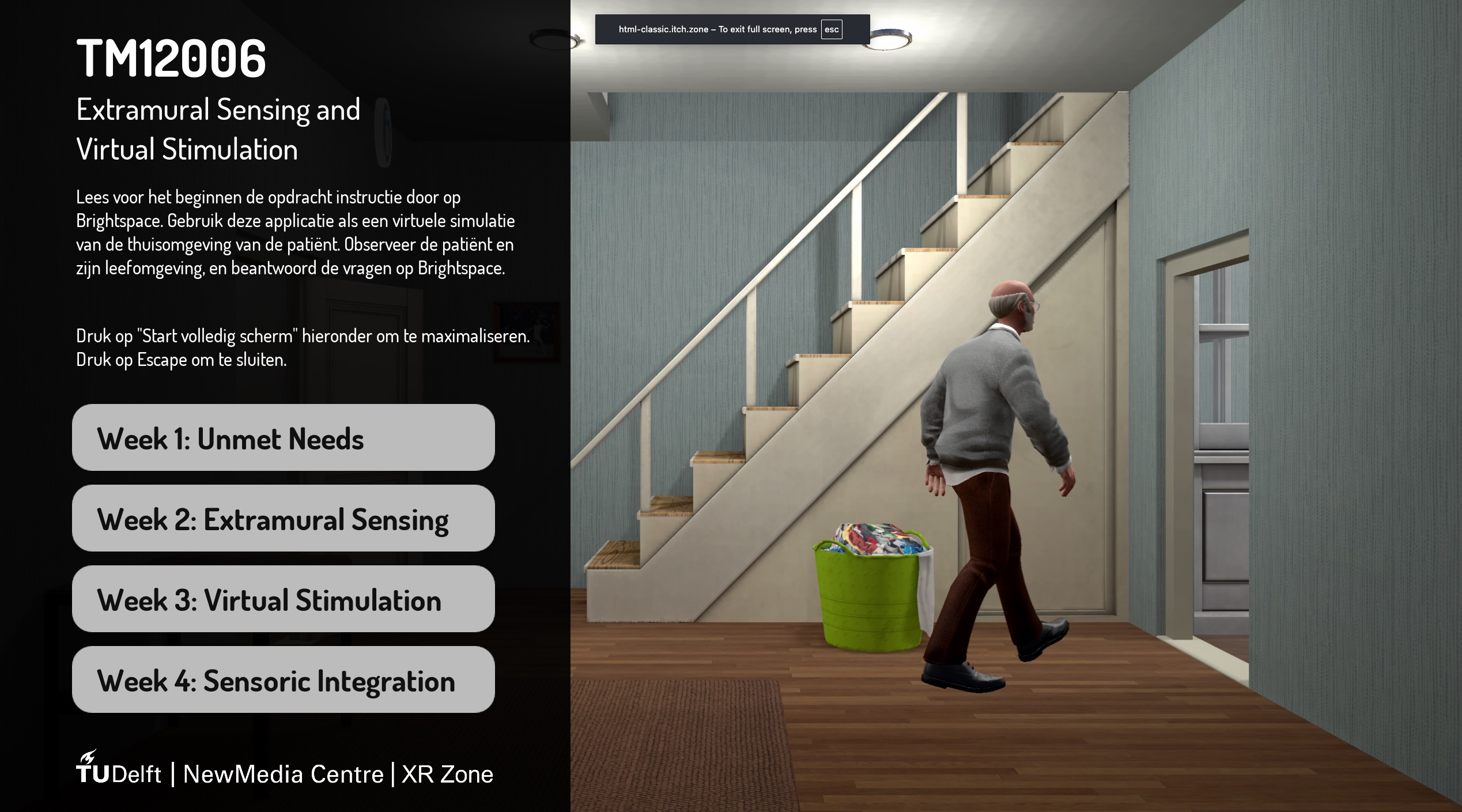
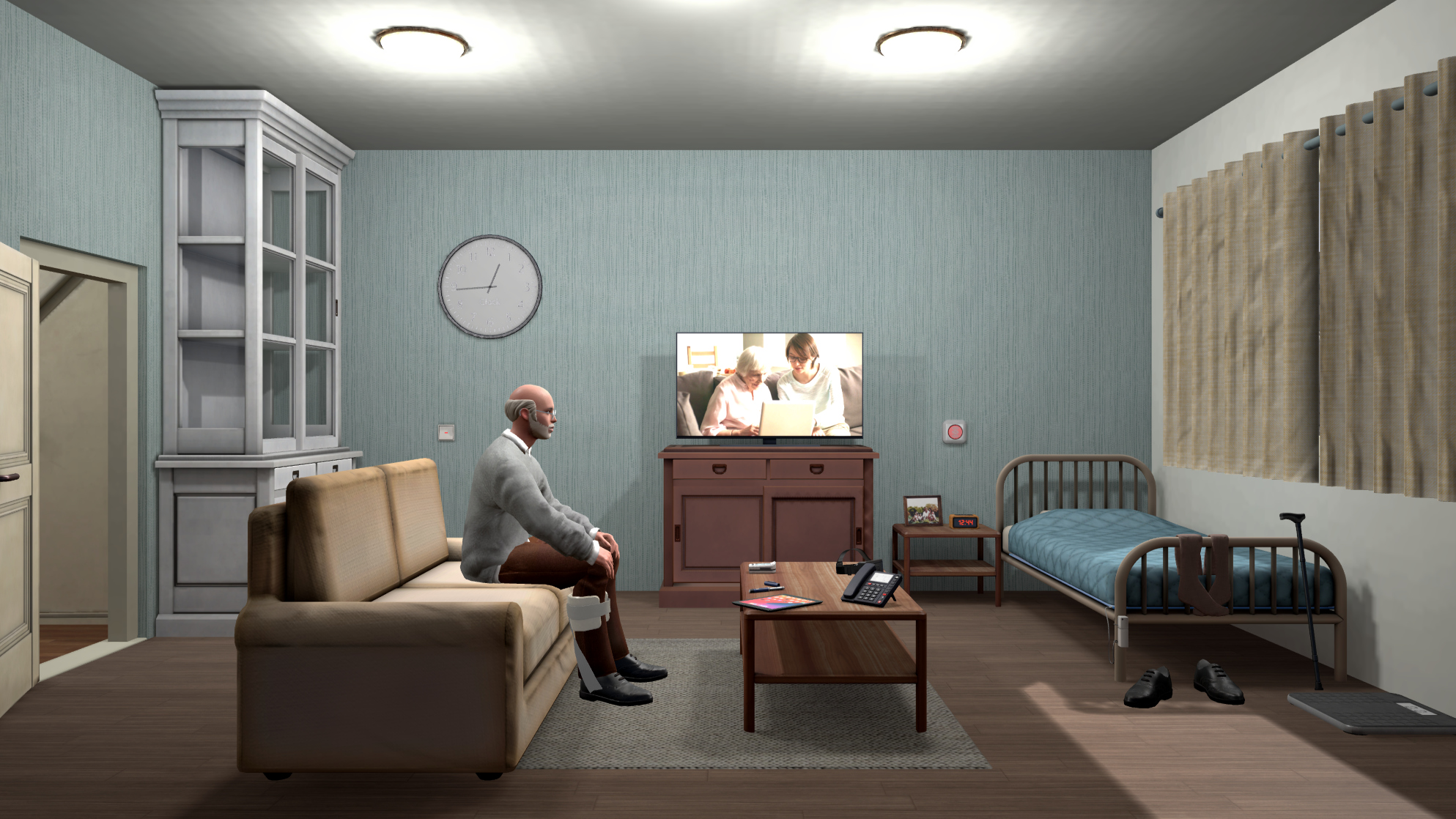
In an effort to modernize and improve medical education, Dr. Marjon Stijntjes developed a web-based point-and-click simulation to teach students how to evaluate the revalidation needs of elderly patients after hospital discharge. Instead of traditional internships or home visits, students interacted with a virtual household scenario, where they had to observe, assess, and analyze the condition of a digital patient.
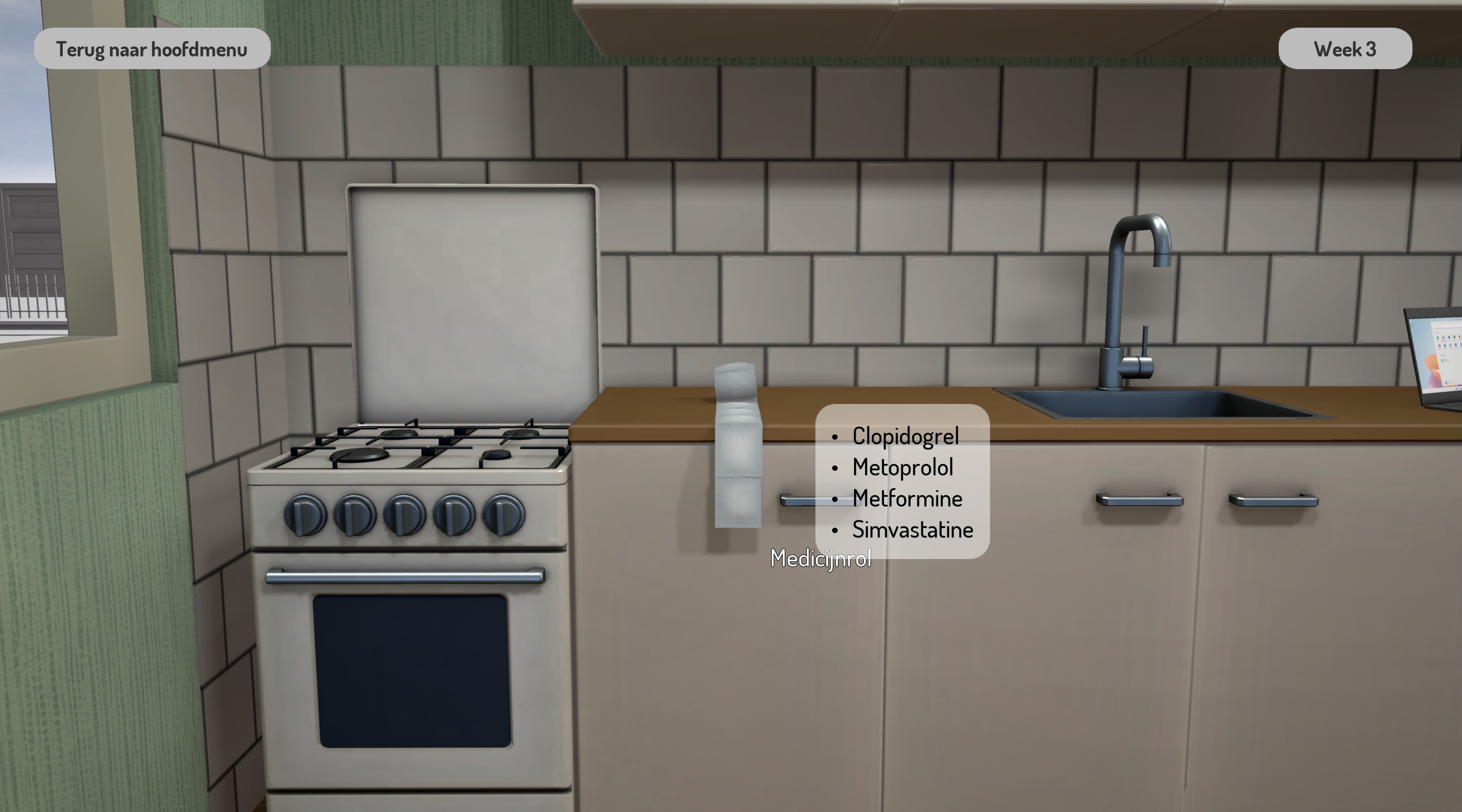
The application features a realistic environment — the home of an older male patient — where students act as healthcare detectives. By clicking on various household objects, such as medication packages, insulin pens, calendars, or diaries, learners gather contextual clues about the patient’s lifestyle, medical regimen, and upcoming appointments. These insights help them diagnose health issues and suggest support strategies, simulating the kind of judgment they’d need in the field.
Crucially, the patient’s condition evolves over time. Each week, a new version of the scenario is unlocked, showing the patient in a slightly worsened state. This feature trains students to monitor progressive changes and adjust their assessments accordingly. The accessible, browser-based format ensures wide reach, even on non-VR devices — ideal for scalable education without the need for specialized hardware.
“ his simulation turns students into healthcare detectives, blending clinical reasoning with interactive storytelling”
Students responded enthusiastically to the experience. The gamified format was praised for being engaging, educational, and intuitive, successfully blending clinical training with interactive storytelling. It’s a model example of how serious games can enhance medical education, making theory practical and preparing students for real-world challenges.
A short demo video and test link are available, allowing future students, educators, and institutions to explore the experience directly and consider implementing similar tools in their curricula.
Try the Simulation: https://nmc-tudelft.itch.io/tm12006-vr
Initiator: Dr. Marjon Stijntjes (Leiden University Medical Center – LUMC)
Developer: Arend-Jan Krooneman (XR Zone, New Media Centre, TU Delft)