

From Architecture Student to XR Educator: The Unusual Journey of Jeroen Boots
The architect who found his medium
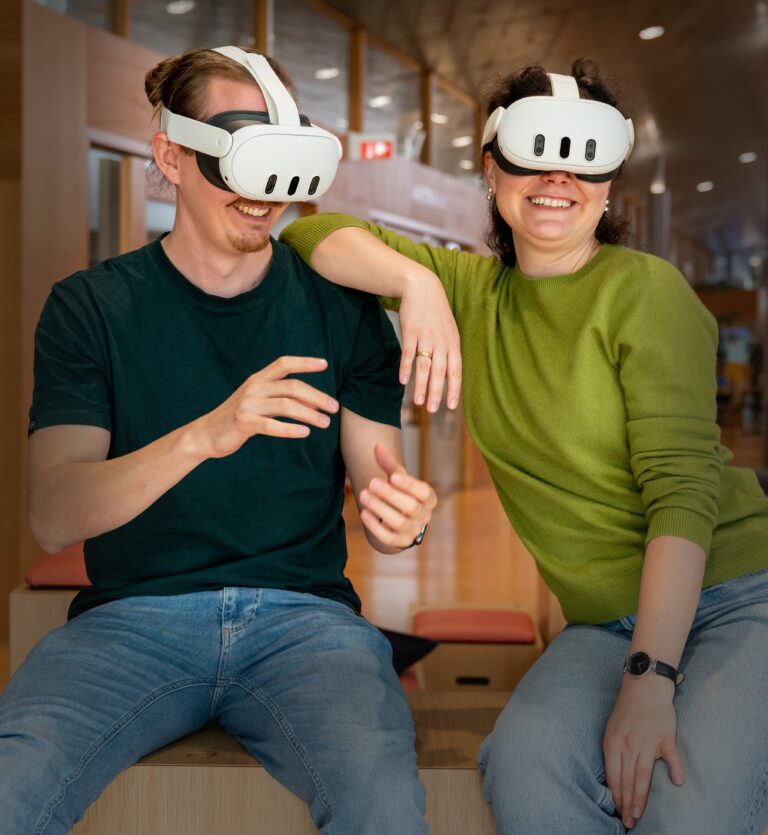
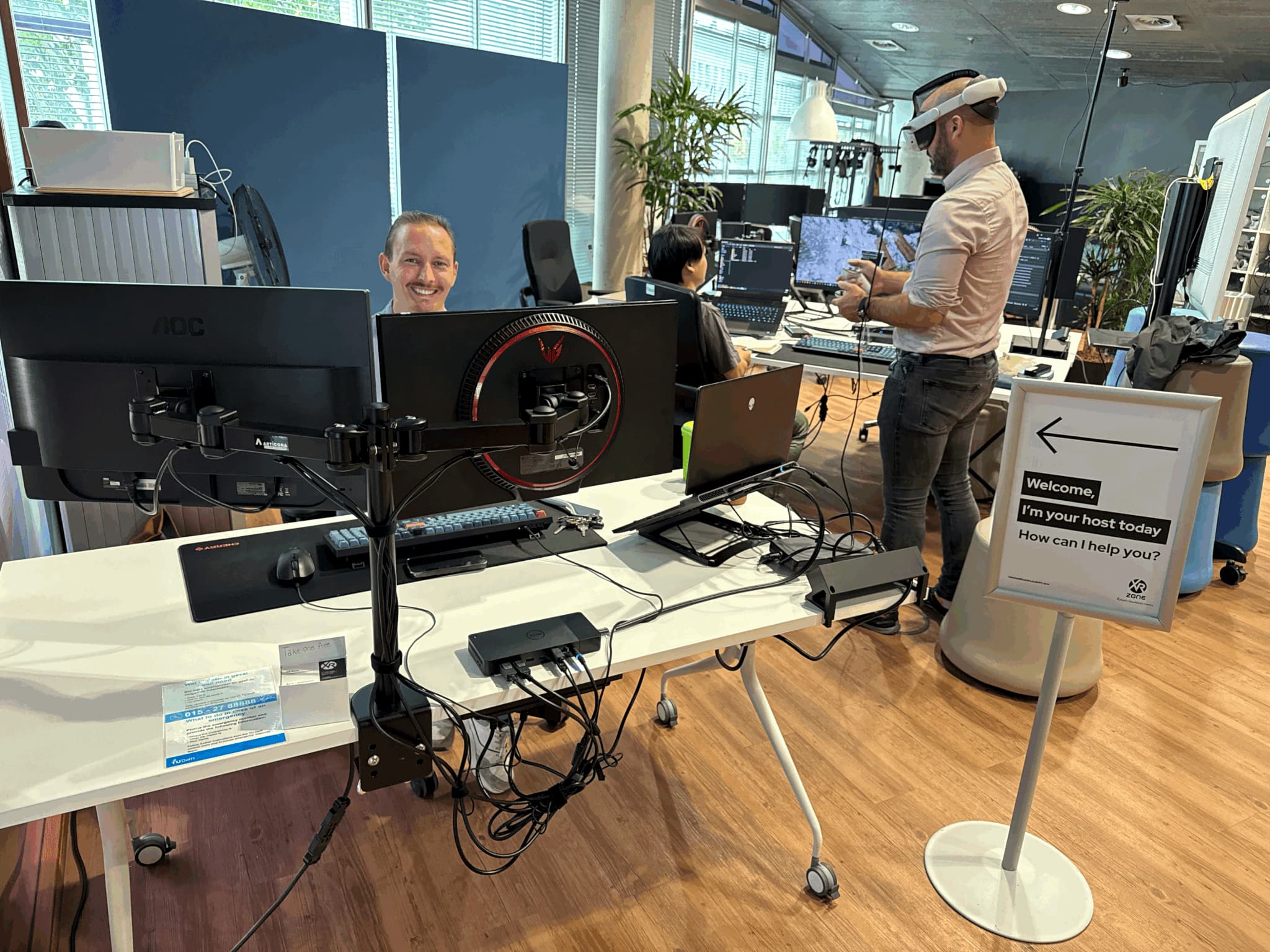
When you walk into the XR Zone at TU Delft, there’s a good chance you’ll find Jeroen Boots testing, refining, or quietly rethinking how immersive technology can actually support learning.
His background in architecture makes him notice the little frictions, the small moments of delight, and how a space changes the way you move and think. It always comes back to one simple question:
“How does this actually feel for the person using it?”
This is the story of how a curiosity about spaces became a career in immersive technology — and what happens when an architect starts building worlds you can actually step inside.
He started with walls, not code
Jeroen studied architecture at TU Delft. But he wasn’t obsessed with the actual construction and how the buildings look — he wanted to understand what they do to you.
Think about walking from a big open hall into a smaller room. Your pace changes. Your focus sharpens. Or a corridor that gets tight before it opens up — that little squeeze of tension, then release. Or the moment you step into a new space and just get it. You know where you are. You can relax.
These things are real. But try putting them in a floor plan.
You can sketch a space. You can render it. But you can’t make someone feel it from the outside. Architecture lives in the body, not on paper. That gap bothered Jeroen. Then VR appeared, and suddenly the gap had a bridge.
An exchange year in Munich leading to TU Delft XR Zone
During an exchange year in Munich, Jeroen found a lab at the Technical University of Munich that was playing with immersive tech. They had the equipment, but not yet a clear idea of how it could support architecture or education.
Jeroen began building simple prototypes, demonstrating what was possible, and experimenting with early devices like the HoloLens. These kinds of tools showed how immersive tech could turn abstract spatial ideas into lived experiences.
When Jeroen came back to Delft, he spent so much time in the TU Delft XR Zone that his future supervisor eventually said, “Would you like to actually work here?”.
That was about seven years ago.
“ Architecture lives in the body, not on paper. When VR appeared, it finally gave us a way to design not just what a space looks like, but how it truly feels to step inside it.”
Technology that follows people, not the other way around
Jeroen calls his approach humanism — and he means it practically, not philosophically. Start with the human experience. Let that shape the tool.
VR clicked with that immediately. It doesn’t just show you a space — it puts you in one. You feel the low ceiling. You sense the openness. Your brain responds as if it’s real, because in most ways that matter, it is.
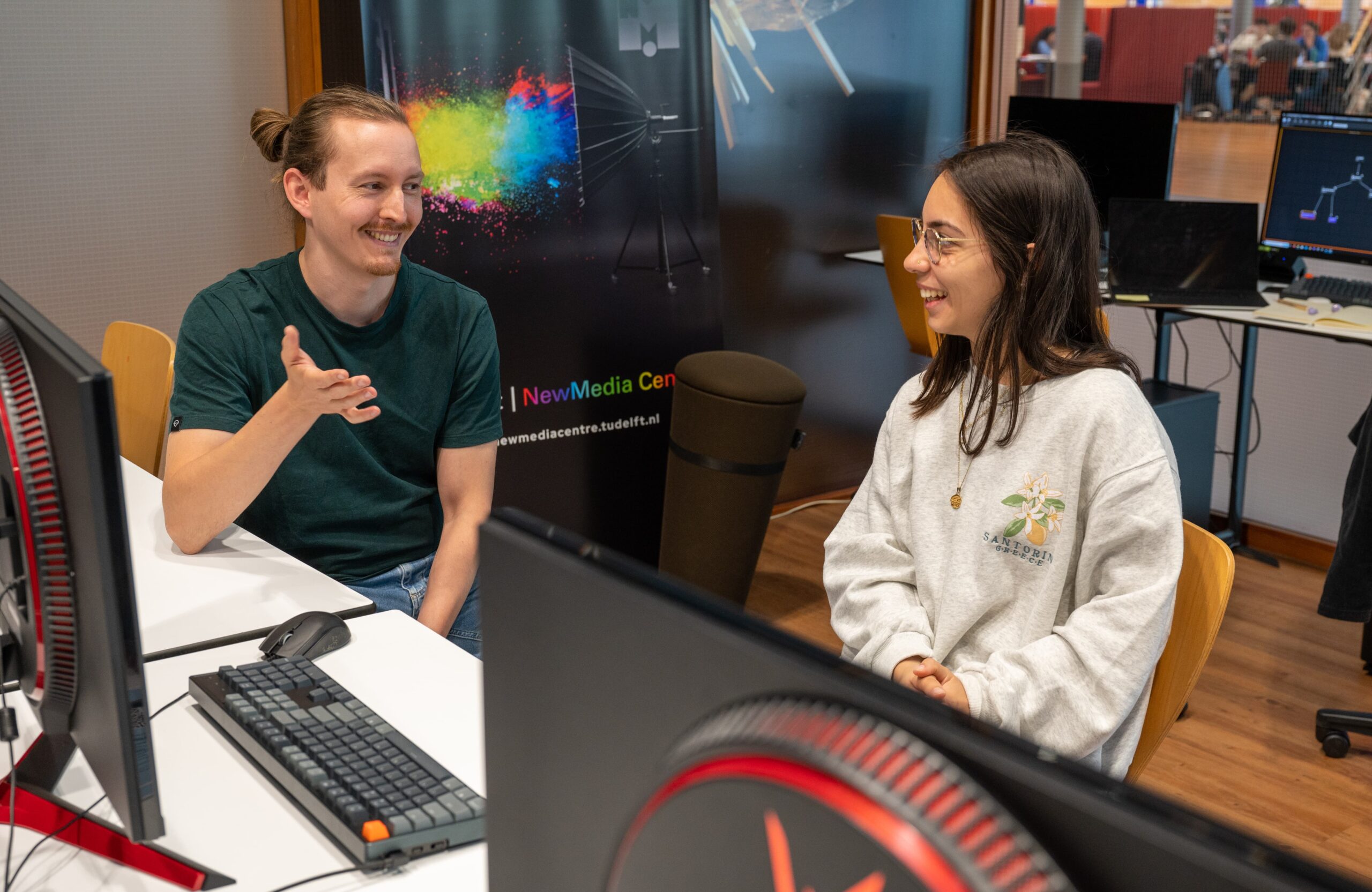
He calls himself a specialized generalist: deep in XR development, but always learning enough about each new subject area — geoscience, nuclear safety, social housing — to translate what experts know into something a student can actually experience. He’s not replacing teachers. He’s building better tools for them.
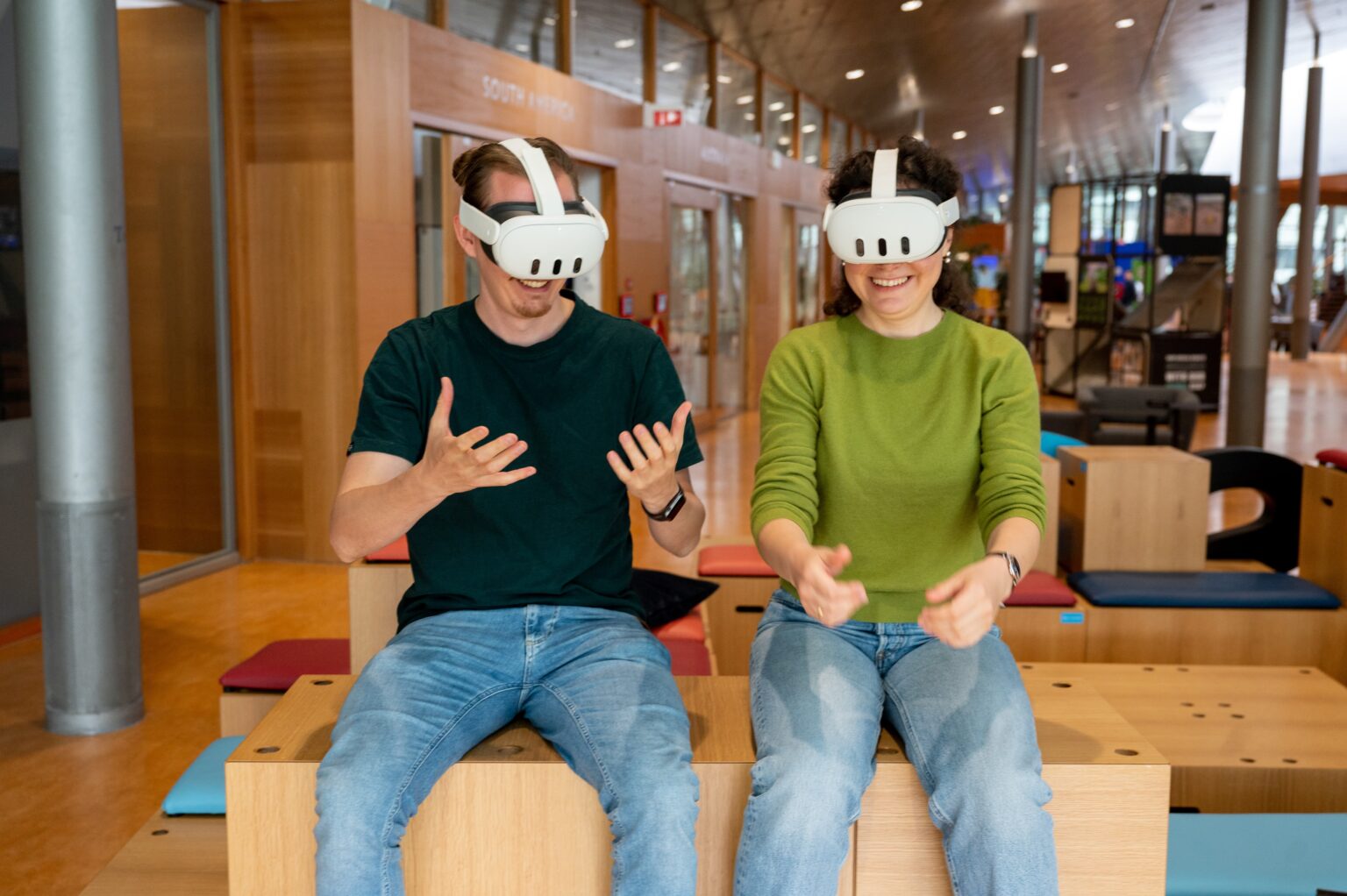
The Explore Lab DNA
A lot of Jeroen’s thinking comes from TU Delft’s Explore Lab, a place where architecture students work on unconventional approaches, unconventional tools, or both at once. No obvious right answers. A place to try tools and see for yourself.
That spirit runs through the XR Zone too. It’s not about flashy demos. It’s about the moment a student walks away and actually gets something — understands it in a way that sticks.
That’s what Jeroen has always been designing for. Whether the material is concrete and glass, or pixels and light.
Author: Irina Tripapina
XR Developer: Jeroen Boots