

The Lightboard: making blended learning more engaging at TU Delft
At TU Delft, blended learning has become an essential approach—balancing online flexibility with the value of face-to-face interaction. One tool that’s helping bridge this gap is the Lightboard, supported by the NewMedia Centre and used by educators across campus to make teaching more engaging.
We spoke with Calvin Rans, Associate Professor and Senior Blended Learning Developer, who has been at the forefront of experimenting with new media in education. For him, the Lightboard has transformed the way he teaches.
“ The Lightboard isn’t just a video tool; it’s a way to tell a story”
Why the Lightboard matters
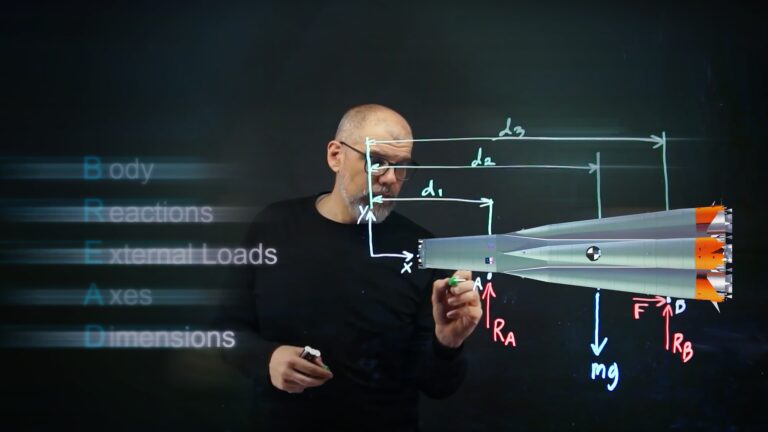
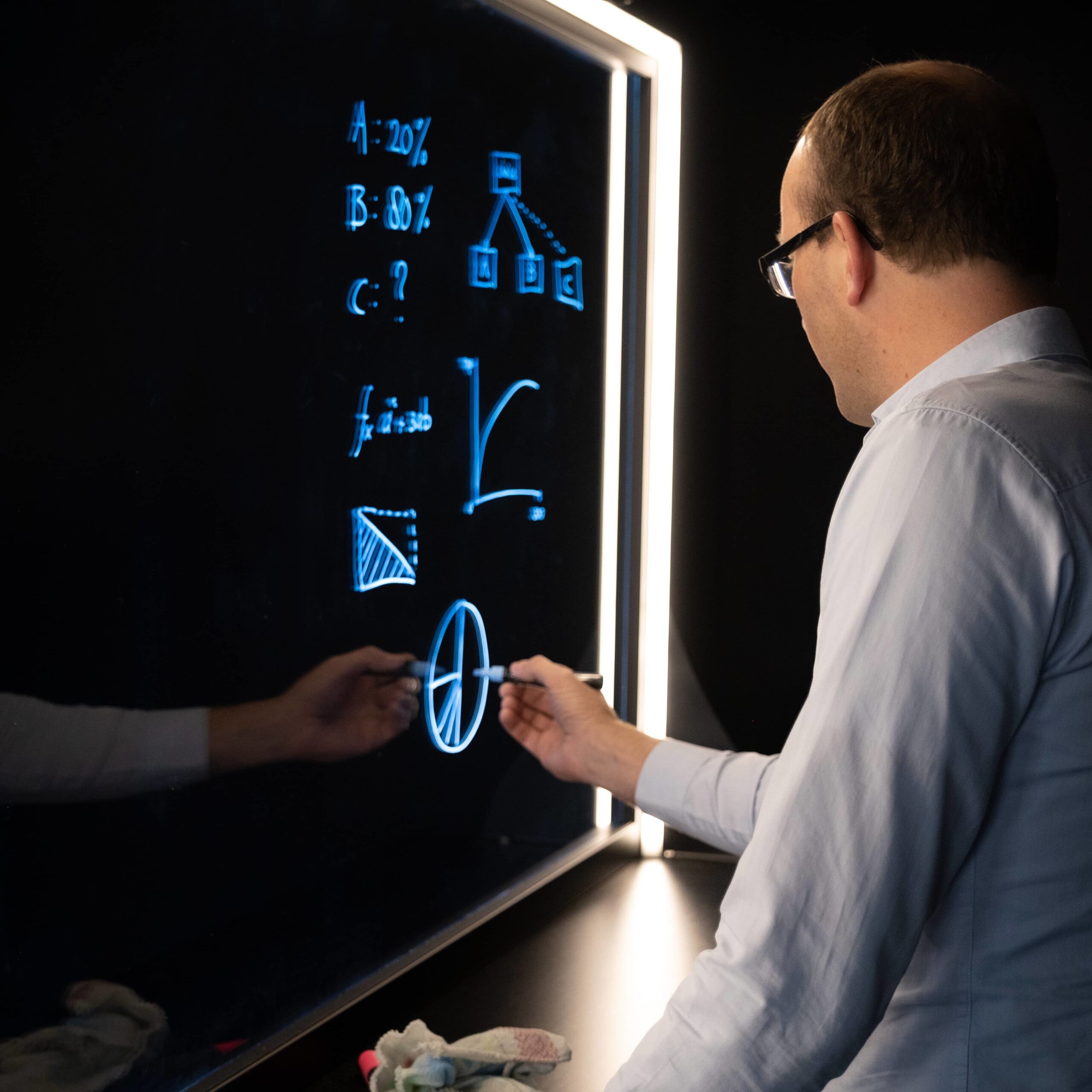
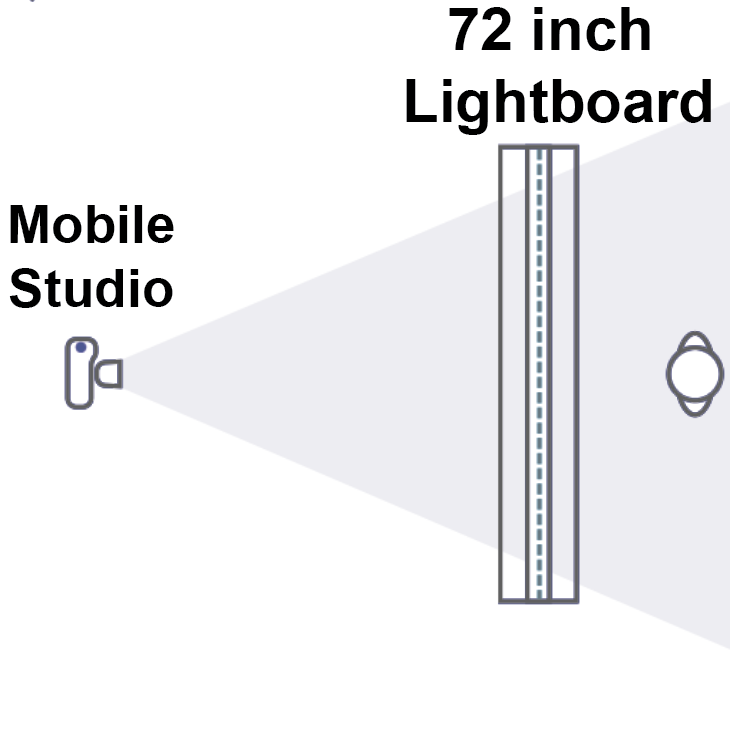
The Lightboard is a transparent glass board you can write on while facing the camera. Unlike slides, it lets students see both the notes and the lecturer’s face, gestures, and eye contact. “It’s like normal lecturing,” says Calvin. “Students watch me think through a problem step by step, instead of just seeing the final answer.”
This makes the learning process more personal and authentic. Teachers can explain concepts dynamically, drawing as they speak, while students follow the logic in real time. The result: greater engagement, clarity, and retention.
How it supports blended learning
Blended learning often relies on short instructional videos, which can be time-consuming to make. The Lightboard simplifies this, allowing educators to:
- record short, visual explanations for tricky concepts
- create pre-class videos for flipped classrooms
- co-lecture with colleagues or guests
- film FAQs or problem-solving sessions
- draw diagrams or equations naturally
By showing the process rather than just the outcome, the Lightboard helps students prepare more effectively at home and makes in-class time richer for discussion and problem-solving.
This makes the learning process more personal and authentic. Teachers can explain concepts dynamically, drawing as they speak, while students follow the logic in real time. The result: greater engagement, clarity, and retention.
Lightboard demo at Teaching Lab TU Delft by Calvin Rans.
The NewMedia Centre offers full support for educators—from training to recording space—making it easy to integrate the Lightboard into blended learning strategies.
Interested in trying it out?
Contact the Teaching Lab to book a session and bring your teaching to life.
https://www.tudelft.nl/teachingacademy/teaching-lab/the-lightboard-studio
Coordinator: Roland van Rooijen
Initiative: Calvin Rans
Author: Irina Tipapina