
NewMedia Centre Stories

TU Delft – 184e Dies Natalis 2026

The brief
The Dies Natalis is one of the major recurring productions on the TU Delft calendar. As the university’s annual birthday celebration, it asks for a slightly different approach every year. Together with the Corporate Communications and Events teams, we develop the programme and shape the overall style of the show.

Behind the scenes
Where the Opening Academic Year is usually broader in tone, the Dies Natalis tends to focus on a more specific theme, often linked to research and the direction of the university. In 2026, the event also marked a change in leadership. We said farewell to Rector Magnificus Tim van der Hagen and welcomed Hester Bijl in a festive programme that combined formal ceremony with more theatrical moments. This year’s edition included many speeches and ceremonial parts, so part of our job was to bring rhythm, contrast, and energy into the show. We did that by weaving a tango act through the programme and designing a flexible stage decor that could shift atmosphere quickly through colour and light.

Why this one stood out
This was a project where balance mattered. It had to respect the formal nature of the occasion while still feeling alive and engaging for the audience. Finding that balance — between ceremony and momentum, structure and atmosphere — is what made this edition especially satisfying to build.

Producer: Stephan Voogd
Director: Christian Kasius
Camera Operator: Celine van Benten, Hector Nieman, Boris Swaen, Simone Breetveld
Sound Engineer: Vincent Groen
Graphics: Melle de Winter, Christian Kasius
Read more stories:

AI in Hiring – Can a Machine Pick the Right Candidate?

What if an algorithm decided whether you got the job—even before a human saw your name? AI-driven hiring assessments, now widespread, make implicit assumptions about skills, behavior, and communication that may not match individual realities. By reducing complex narratives to data points, these systems strip applicants of autonomy over their identity and undermine dignity. An interdisciplinary study from TU Delft, University of Twente, and TU Eindhoven inspired a four-minute animated video, making these findings accessible and prompting reflection on AI’s impact in recruitment.

Read More »

Collegerama: The Go-To platform for students at TU Delft

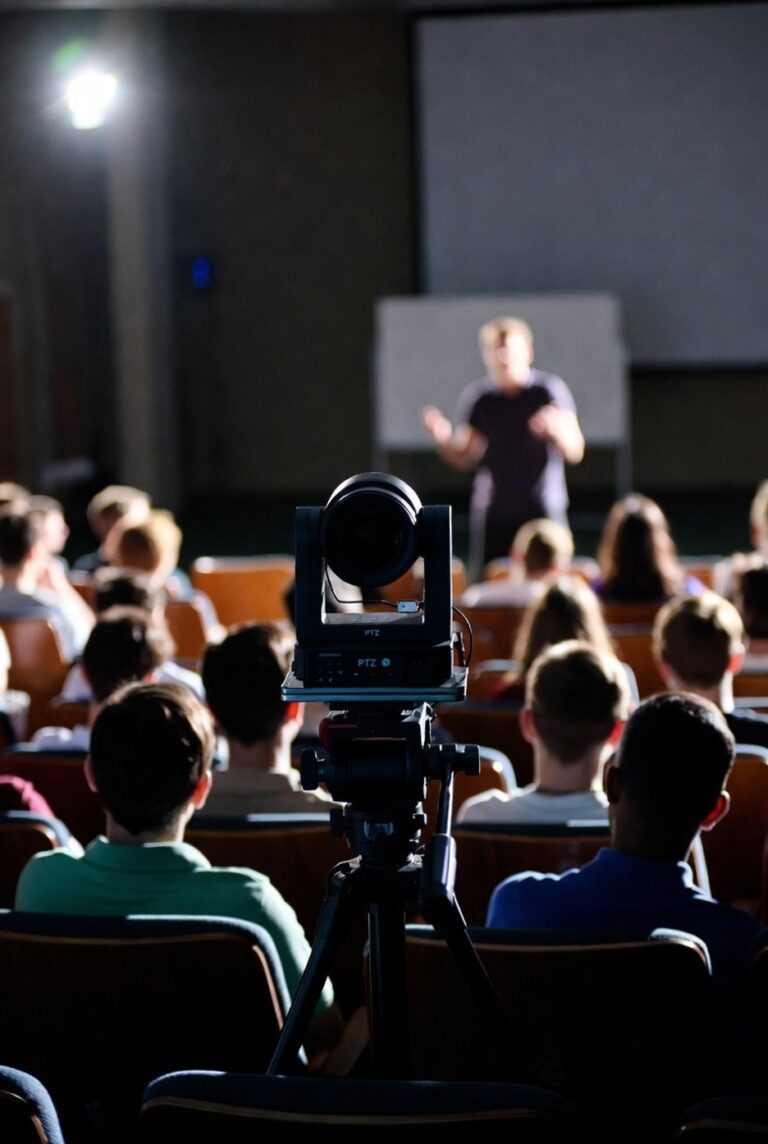
Collegerama is TU Delft’s essential platform for recorded lectures, offering students flexible, high-quality access to course content. With synchronized video, slides, and audio captured across 20 lecture halls and mobile setups, it supports learning at any pace and helps with exam preparation. Students can watch lectures from any faculty, expanding their learning opportunities. With new tracking cameras and AI-powered captions, Collegerama continues to evolve, making education more accessible and effective.

Read More »
VR robot

Supermarket Robot: Designing Socially Embedded Service Robots in Virtual Reality

What happens when a robot helps you shop? This question shaped a groundbreaking project led by Dr. Marco Rozendaal, where VR simulations in a supermarket explored how people and robots interact in public spaces. By blending design, theatre, and puppeteering, the research revealed how robots can earn trust and acceptance—not through perfect programming, but by designing behaviors that feel meaningful and socially appropriate.

Read More »