
NewMedia Centre Stories

TU Delft – 184e Dies Natalis 2026

The brief
The Dies Natalis is one of the major recurring productions on the TU Delft calendar. As the university’s annual birthday celebration, it asks for a slightly different approach every year. Together with the Corporate Communications and Events teams, we develop the programme and shape the overall style of the show.

Behind the scenes
Where the Opening Academic Year is usually broader in tone, the Dies Natalis tends to focus on a more specific theme, often linked to research and the direction of the university. In 2026, the event also marked a change in leadership. We said farewell to Rector Magnificus Tim van der Hagen and welcomed Hester Bijl in a festive programme that combined formal ceremony with more theatrical moments. This year’s edition included many speeches and ceremonial parts, so part of our job was to bring rhythm, contrast, and energy into the show. We did that by weaving a tango act through the programme and designing a flexible stage decor that could shift atmosphere quickly through colour and light.

Why this one stood out
This was a project where balance mattered. It had to respect the formal nature of the occasion while still feeling alive and engaging for the audience. Finding that balance — between ceremony and momentum, structure and atmosphere — is what made this edition especially satisfying to build.

Producer: Stephan Voogd
Director: Christian Kasius
Camera Operator: Celine van Benten, Hector Nieman, Boris Swaen, Simone Breetveld
Sound Engineer: Vincent Groen
Graphics: Melle de Winter, Christian Kasius
Read more stories:

VR robot

Supermarket Robot: Designing Socially Embedded Service Robots in Virtual Reality

What happens when a robot helps you shop? This question shaped a groundbreaking project led by Dr. Marco Rozendaal, where VR simulations in a supermarket explored how people and robots interact in public spaces. By blending design, theatre, and puppeteering, the research revealed how robots can earn trust and acceptance—not through perfect programming, but by designing behaviors that feel meaningful and socially appropriate.

Read More »

The Lightboard: making blended learning more engaging at TU Delft

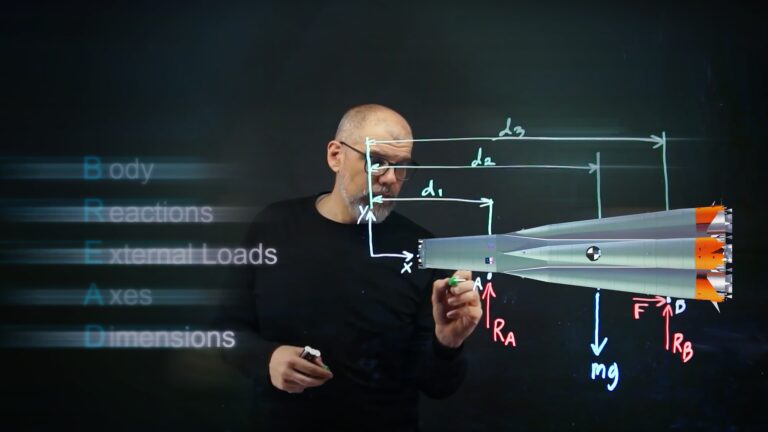
At TU Delft, blended learning combines the flexibility of online teaching with the impact of face-to-face interaction. One tool making this possible is the Lightboard—a transparent glass board that lets educators write while facing the camera. Unlike traditional slides, it shows both the lecturer’s explanations and their expressions, making learning more engaging and personal. From flipped classrooms to problem-solving videos, the Lightboard helps teachers share not just answers, but the thinking process behind them—turning lessons into stories that connect with students.

Read More »

Blended Learning Animations – Who Is the Engineer of the Future?

How do students discover who they want to become? At TU Delft, the Mechanical Engineering faculty paired with the New Media Centre’s Graphics team to address that question through animated storytelling. By developing eight distinct “Engineer of the Future” personas—each with its own narrative, style, and personality—students could see relatable career paths. Hand-drawn illustrations and concise two-minute videos translated complex concepts into engaging scripts, creating a compelling blended learning experience that inspires and informs.

Read More »