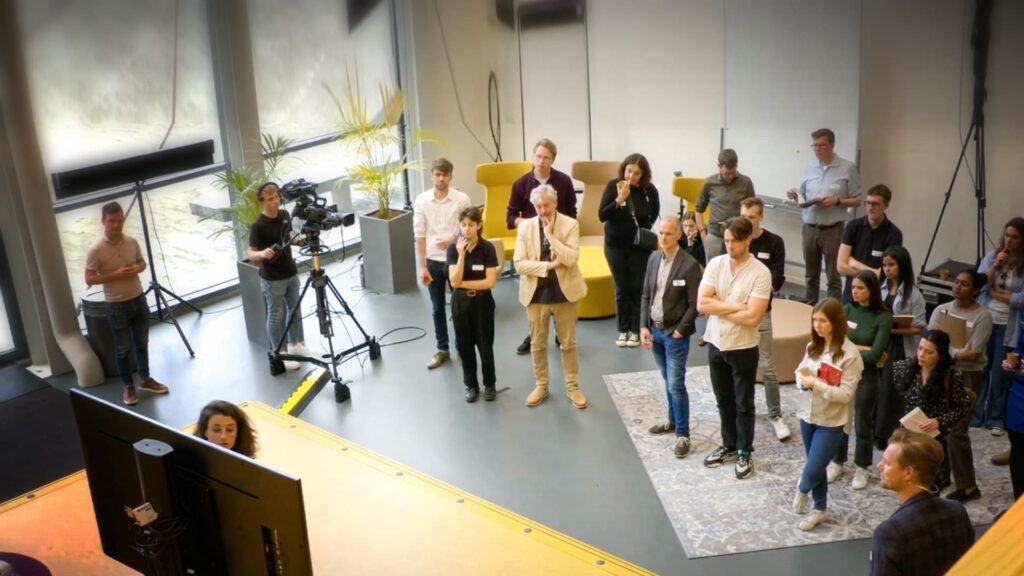
The Metropolitan Club: Urban Design Challenge
The Metropolitan Club: Urban Design Challenge was an event at the TU Delft, with students, teachers, and designers from practice.



The Metropolitan Club: Urban Design Challenge was an event at the TU Delft, with students, teachers, and designers from practice.
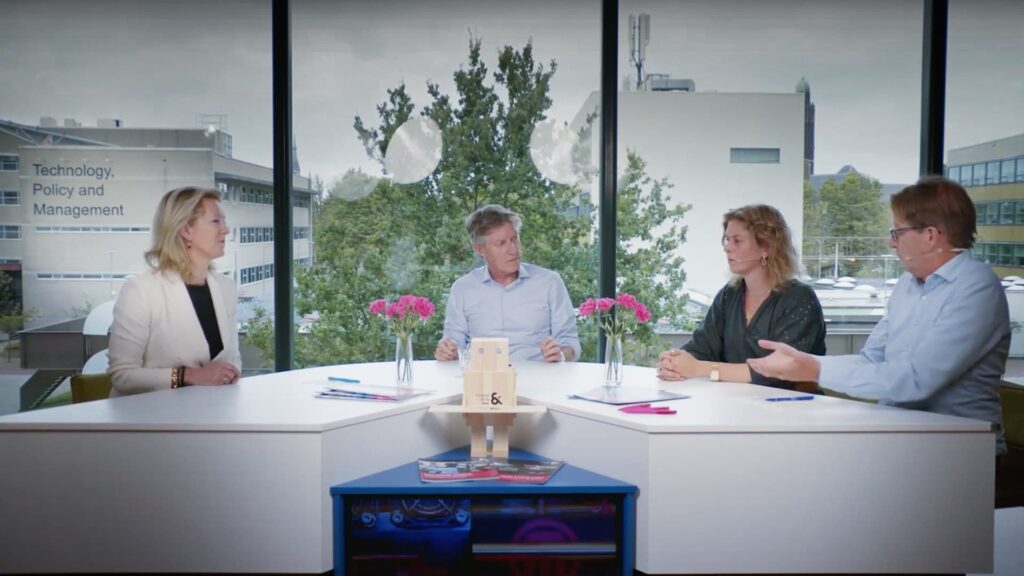
July 7th 2022 We did a live stream broadcast from the Medical Delta Café called: ‘Vergroening van ziekenhuizen – meer denken of meer doen?’
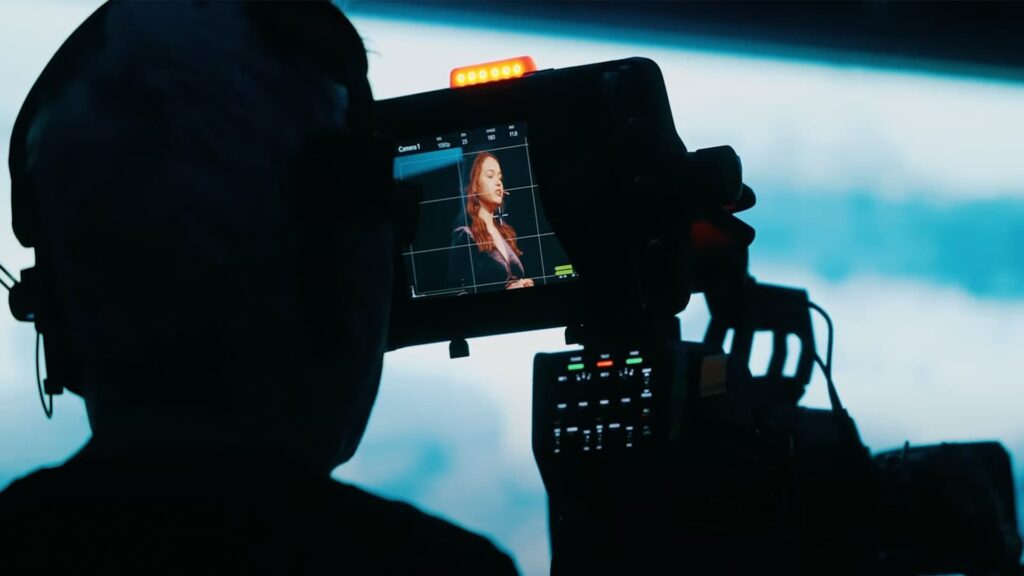
On the 21st of December 2022 the Hydro Motion team proudly presented the design of the 2023 hydrogen powered boat!
The Bachelor’s programme in Life Science and Technology is constantly evolving. For this project, we created a promotional video that gives prospective students a clear and current picture of the programme and of the paths it can lead to after graduation.
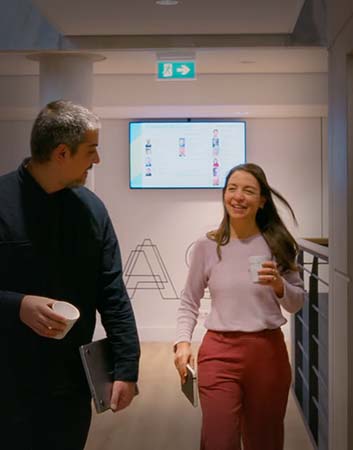
Every TU Delft staff member is periodically invited to a Resultaat- en Ontwikkelgesprek. To support that process, we were asked to create a short, dynamic video that would be included with every invitation and underline the value of the conversation.
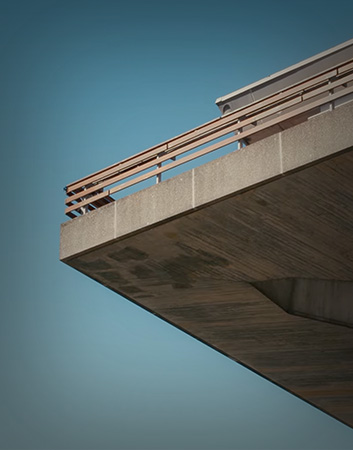
In collaboration with NMC Live, we developed the event’s opening sequence. What began as an energetic video designed to immediately engage the audience evolved into a powerful showcase of everything TU Delft has achieved in recent years.

Do you know how to transform your research idea into a funded project? To demystify the process, the NMC Graphics team at TU Delft designed a clear, step-by-step infographic outlining every phase of grant applications—from finding funding and consulting support to drafting, submitting, and following up. Developed in collaboration with stakeholders, and available in print and web formats, this guide uses color, icons, and layout to guide researchers through institutional workflows and reduce administrative uncertainty.

The Safety Science Wall transforms a TPM corridor into a visual story of safety science, created by Cok Francken, graphic designer from TU Delft’s NMC. Six large panels trace the field’s evolution using restored images, infographics, and archival posters, showcasing how design and research can turn complex history into an engaging, accessible narrative.
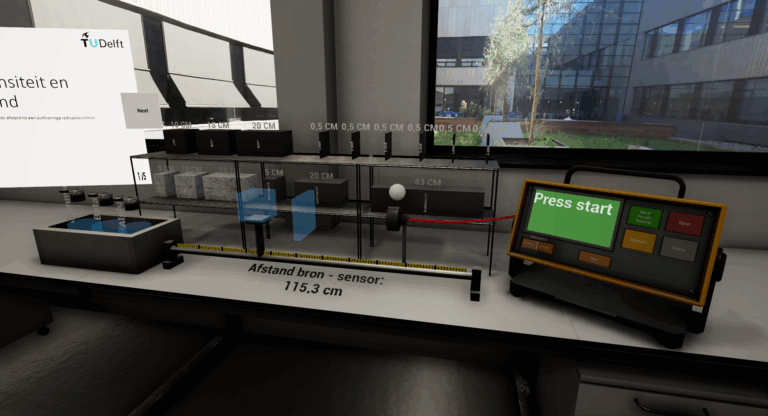
The Radioactivity project uses VR to make learning safe and immersive, letting students explore radiation through realistic experiments while teachers guide remotely. By overcoming safety limits and instructor shortages, this innovative VR app democratizes access to hands-on science, transforming how students experience and understand radioactivity across classrooms everywhere.