
NewMedia Centre Stories

DUT25 – Rollout

We do a lot of shows for Dream Teams, self-managed student teams that push innovation by designing and developing an iteration of a groundbreaking product with a new team of students each year. This ranges from a solar powered boat to an exoskeleton.

Generally, each team has a design presentation, where they reveal the goals and outlines of their concept, and a design reveal, where the final product is presented and demonstrated. Usually, these events are in the Auditorium on campus, but the Formula Student team demonstrates their electric vehicle on the Market in the city centre of Delft.

To livestream this event, we’re presented with a few unique challenges, ranging from the availability of power and an internet connection to weather-proofing our equipment. In close contact with the student team, we discuss possibilities for creative shots, graphics and other show elements.

Director:
Camera:
other credits:

Read more stories:

Workflow for Research Grants – From Idea to Funding

Do you know how to transform your research idea into a funded project? To demystify the process, the NMC Graphics team at TU Delft designed a clear, step-by-step infographic outlining every phase of grant applications—from finding funding and consulting support to drafting, submitting, and following up. Developed in collaboration with stakeholders, and available in print and web formats, this guide uses color, icons, and layout to guide researchers through institutional workflows and reduce administrative uncertainty.

Read More »

IoT Bridge

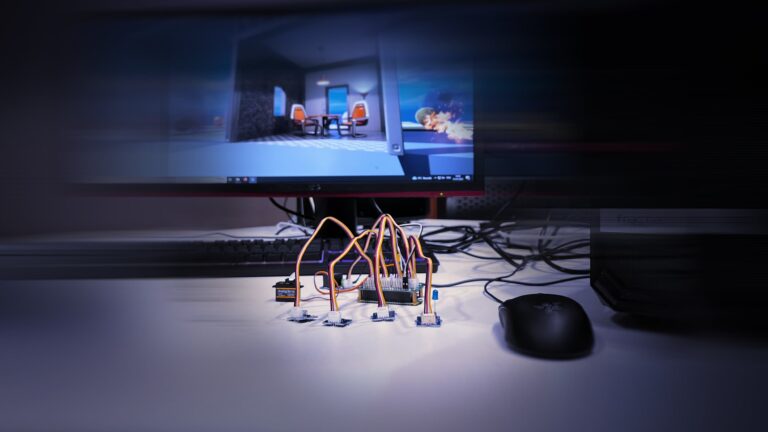
The IoT Bridge connects Grove-based IoT sensors to Unity and Unreal, enabling real-time data use in XR and game projects. With a Raspberry Pi image and engine plugins, it allows students and researchers to create immersive, sensor-driven experiences and explore innovative Serious-Game and XR applications.

Read More »
VR robot

Supermarket Robot: Designing Socially Embedded Service Robots in Virtual Reality

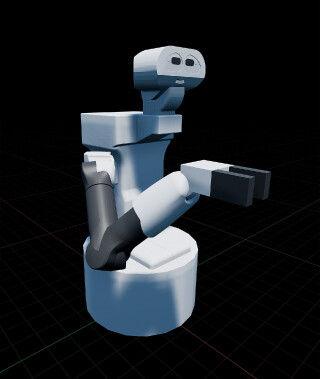
What happens when a robot helps you shop? This question shaped a groundbreaking project led by Dr. Marco Rozendaal, where VR simulations in a supermarket explored how people and robots interact in public spaces. By blending design, theatre, and puppeteering, the research revealed how robots can earn trust and acceptance—not through perfect programming, but by designing behaviors that feel meaningful and socially appropriate.

Read More »