


The Safety Science Wall: A Story Told in Panels
The Safety Science Wall transforms a TPM corridor into a visual story of safety science, created by Cok Francken, graphic designer from TU Delft’s NMC. Six large panels trace the field’s evolution using restored images, infographics, and archival posters, showcasing how design and research can turn complex history into an engaging, accessible narrative.
VR Maritime
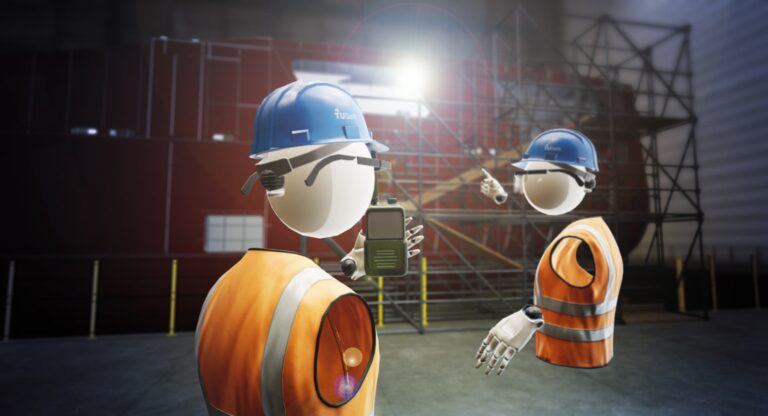
Learning some procedures required for working on a ship wharf is usually a difficult and costly process due to limited access to an actual location
Reimagining Pop-Up Books Through Mixed Reality: A Collaborative Preservation Initiative
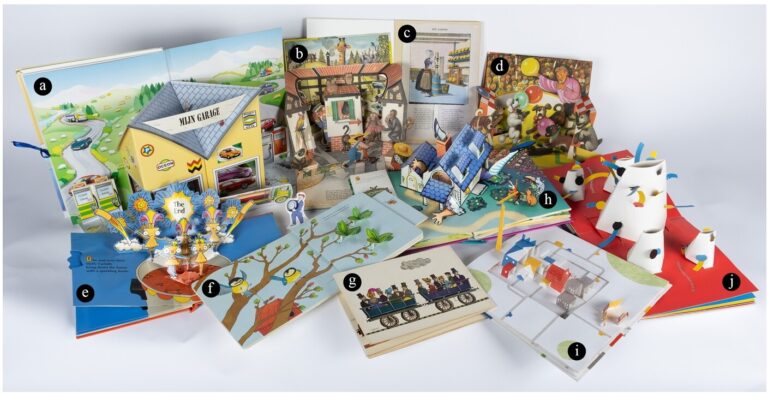
Pop-up and movable books captivate with their interactive artistry, yet their fragility limits access—especially in archival collections like the KB. Through an innovative collaboration between KB and TU Delft’s XR Zone, researcher Willemijn Elkhuizen explores how mixed reality (XR) can preserve and transform these delicate treasures. By translating the sensory and emotional qualities of pop-up books into digital and hybrid experiences, the project opens new avenues for engaging and safeguarding cultural heritage.