


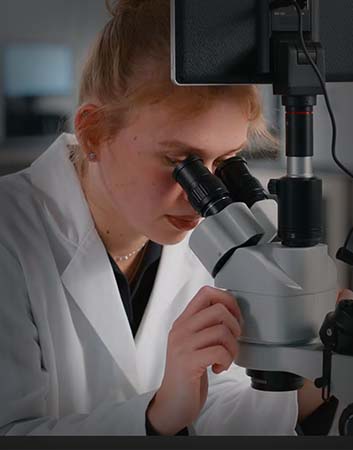
The Bachelor’s programme in Life Science and Technology is constantly evolving. For this project, we created a promotional video that gives prospective students a clear and current picture of the programme and of the paths it can lead to after graduation.
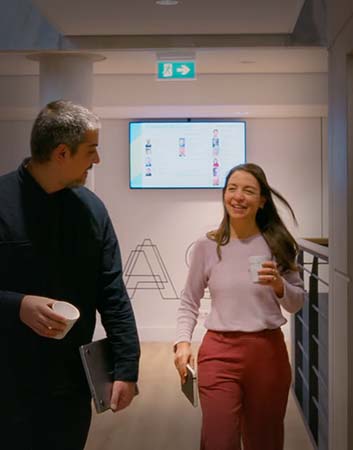
Every TU Delft staff member is periodically invited to a Resultaat- en Ontwikkelgesprek. To support that process, we were asked to create a short, dynamic video that would be included with every invitation and underline the value of the conversation.
In collaboration with NMC Live, we developed the event’s opening sequence. What began as an energetic video designed to immediately engage the audience evolved into a powerful showcase of everything TU Delft has achieved in recent years.

Do you know how to transform your research idea into a funded project? To demystify the process, the NMC Graphics team at TU Delft designed a clear, step-by-step infographic outlining every phase of grant applications—from finding funding and consulting support to drafting, submitting, and following up. Developed in collaboration with stakeholders, and available in print and web formats, this guide uses color, icons, and layout to guide researchers through institutional workflows and reduce administrative uncertainty.
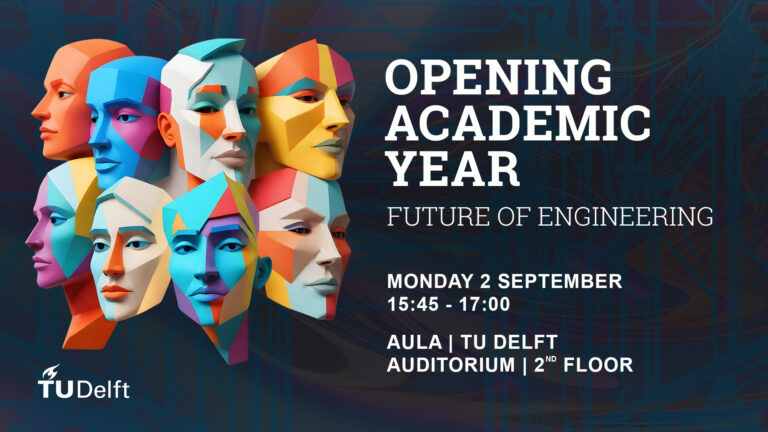
For TU Delft’s Opening of the Academic Year, a single evocative image anchored a comprehensive visual identity—from website banners and email invites to animations, printed materials, and spatial projections. Led by one dedicated designer in collaboration with Live Events, the graphics team wove a cohesive language of color, rhythm, and motion to ensure every touchpoint emotionally resonated. Sound design elevated animated segments, while coordination across teams delivered a polished, immersive experience that transformed a moment into a memorable message.
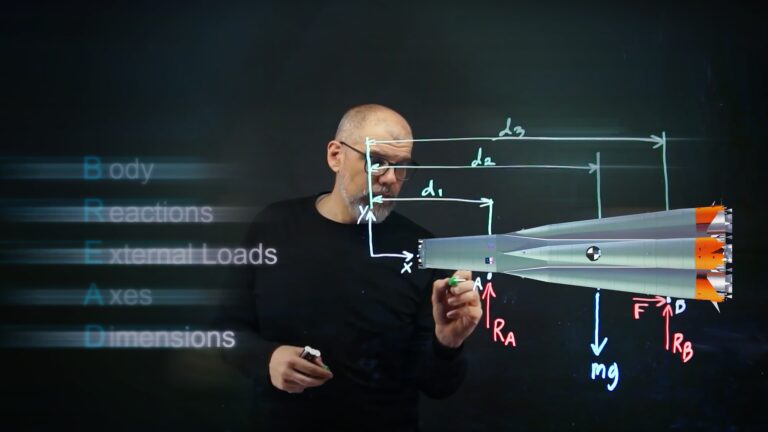
At TU Delft, blended learning combines the flexibility of online teaching with the impact of face-to-face interaction. One tool making this possible is the Lightboard—a transparent glass board that lets educators write while facing the camera. Unlike traditional slides, it shows both the lecturer’s explanations and their expressions, making learning more engaging and personal. From flipped classrooms to problem-solving videos, the Lightboard helps teachers share not just answers, but the thinking process behind them—turning lessons into stories that connect with students.