


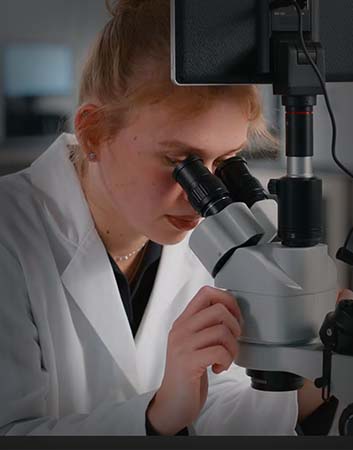
The Bachelor’s programme in Life Science and Technology is constantly evolving. For this project, we created a promotional video that gives prospective students a clear and current picture of the programme and of the paths it can lead to after graduation.
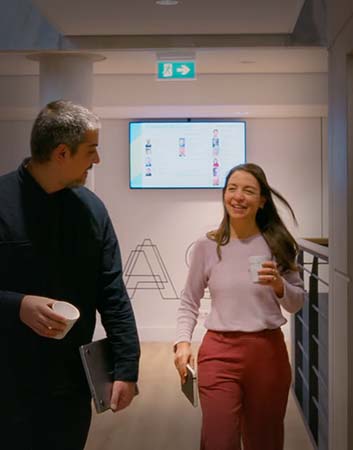
Every TU Delft staff member is periodically invited to a Resultaat- en Ontwikkelgesprek. To support that process, we were asked to create a short, dynamic video that would be included with every invitation and underline the value of the conversation.

In collaboration with NMC Live, we developed the event’s opening sequence. What began as an energetic video designed to immediately engage the audience evolved into a powerful showcase of everything TU Delft has achieved in recent years.

The Safety Science Wall transforms a TPM corridor into a visual story of safety science, created by Cok Francken, graphic designer from TU Delft’s NMC. Six large panels trace the field’s evolution using restored images, infographics, and archival posters, showcasing how design and research can turn complex history into an engaging, accessible narrative.
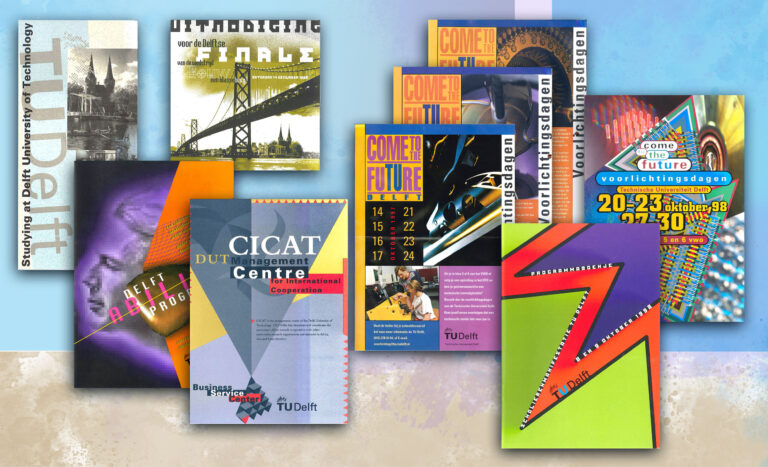
Cok Francken’s 30-year journey at TU Delft spans posters, identity systems, and large-scale installations. Known for clarity and balance, he begins with pencil sketches and draws inspiration from real-world textures and photography. His experience with big formats and careful use of AI tools shapes designs that feel authentic, thoughtful, and visually compelling.
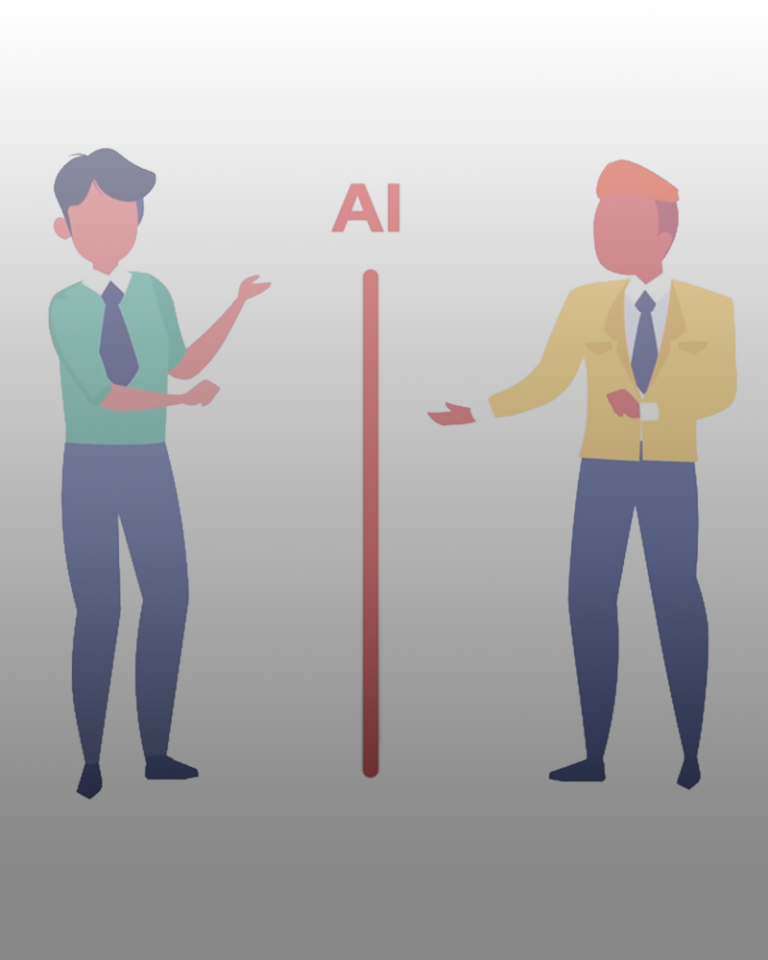
What if an algorithm decided whether you got the job—even before a human saw your name? AI-driven hiring assessments, now widespread, make implicit assumptions about skills, behavior, and communication that may not match individual realities. By reducing complex narratives to data points, these systems strip applicants of autonomy over their identity and undermine dignity. An interdisciplinary study from TU Delft, University of Twente, and TU Eindhoven inspired a four-minute animated video, making these findings accessible and prompting reflection on AI’s impact in recruitment.