


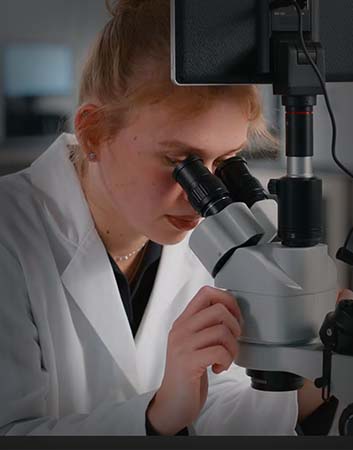
The Bachelor’s programme in Life Science and Technology is constantly evolving. For this project, we created a promotional video that gives prospective students a clear and current picture of the programme and of the paths it can lead to after graduation.
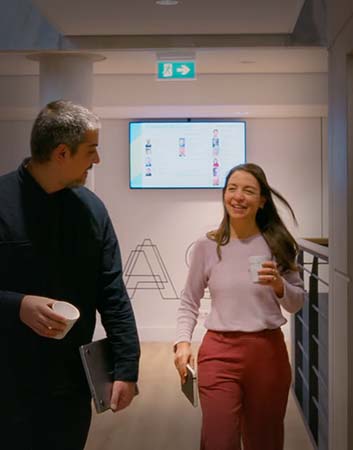
Every TU Delft staff member is periodically invited to a Resultaat- en Ontwikkelgesprek. To support that process, we were asked to create a short, dynamic video that would be included with every invitation and underline the value of the conversation.
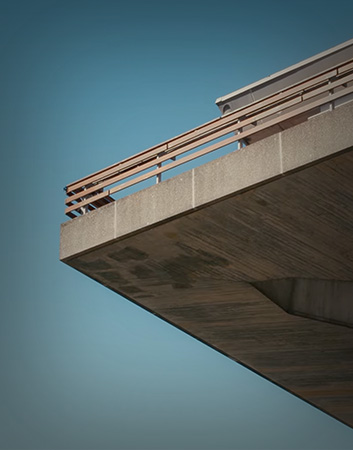
In collaboration with NMC Live, we developed the event’s opening sequence. What began as an energetic video designed to immediately engage the audience evolved into a powerful showcase of everything TU Delft has achieved in recent years.
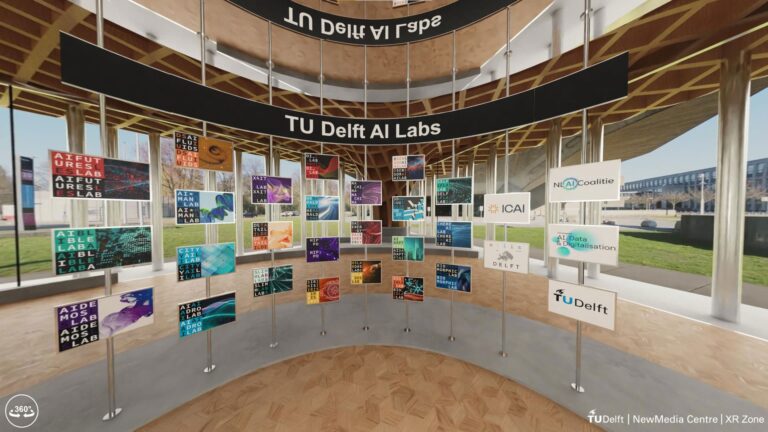
In response to COVID-19, the TU Delft AI Labs & Talent Programme moved their poster event online, partnering with the XR Zone to create a 360° virtual walkthrough. This interactive platform showcased research from 24 Delft AI Labs, overcoming challenges with 360° imagery and 3D models. The project expanded to include new labs, research, and pitch videos, paving the way for future virtual events.
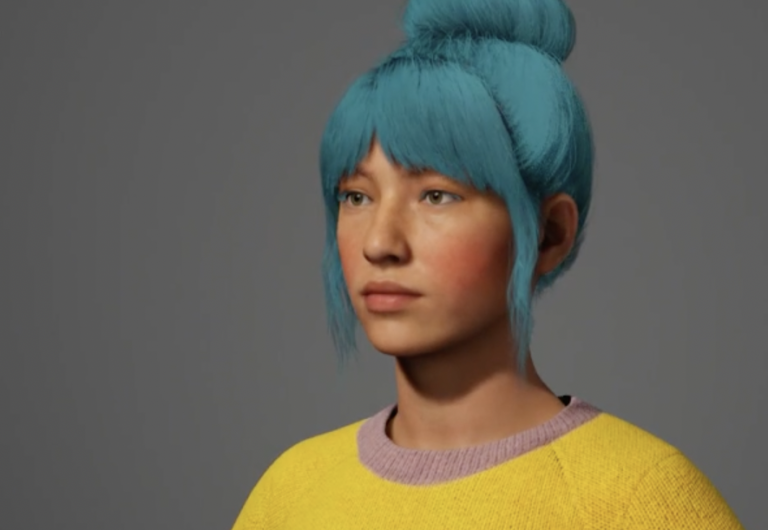
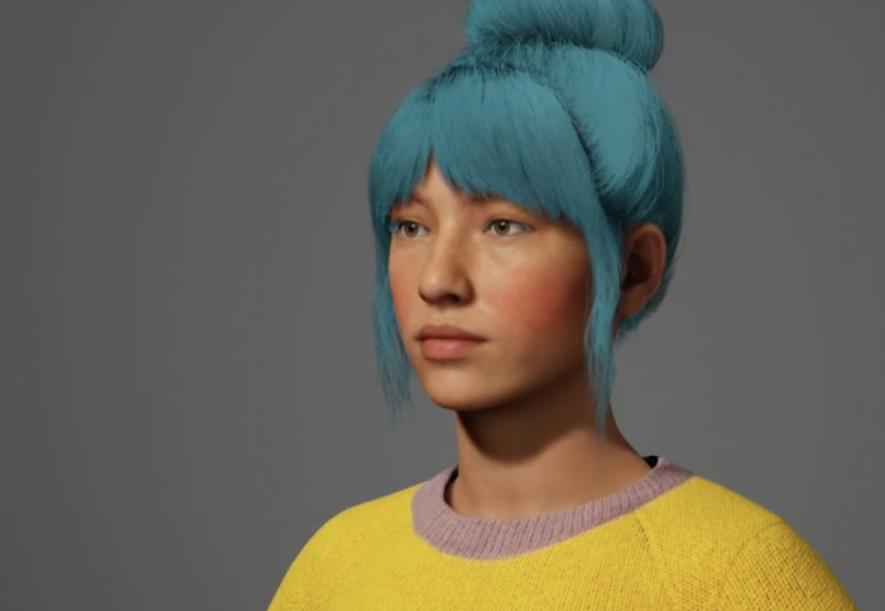
Sarah – AI driven MetaHuman
Introducing Sarah, the remarkable AI-driven MetaHuman born from the innovative fusion of diverse projects and cutting-edge AI experimentation.
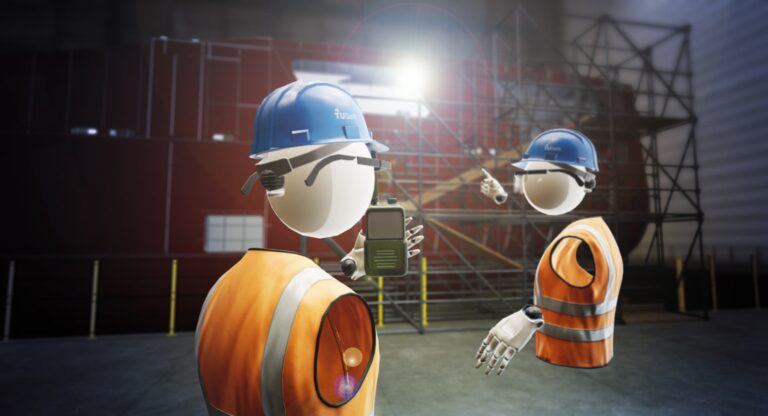
Learning some procedures required for working on a ship wharf is usually a difficult and costly process due to limited access to an actual location