


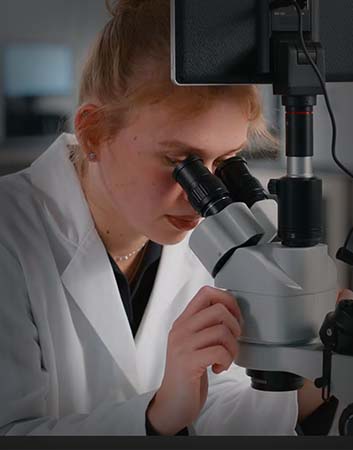
The Bachelor’s programme in Life Science and Technology is constantly evolving. For this project, we created a promotional video that gives prospective students a clear and current picture of the programme and of the paths it can lead to after graduation.
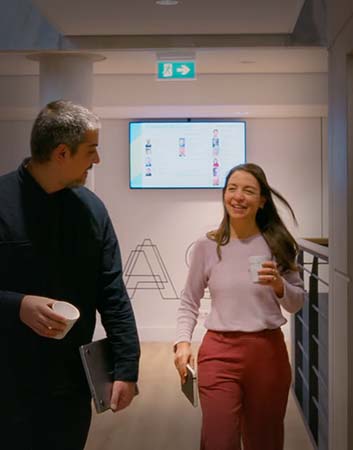
Every TU Delft staff member is periodically invited to a Resultaat- en Ontwikkelgesprek. To support that process, we were asked to create a short, dynamic video that would be included with every invitation and underline the value of the conversation.
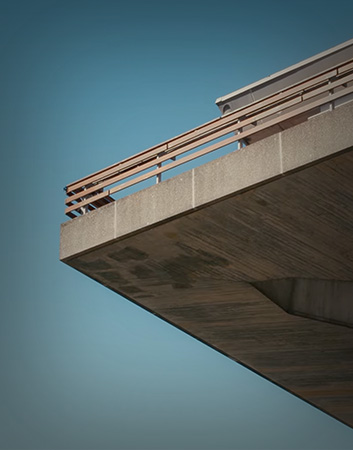
In collaboration with NMC Live, we developed the event’s opening sequence. What began as an energetic video designed to immediately engage the audience evolved into a powerful showcase of everything TU Delft has achieved in recent years.
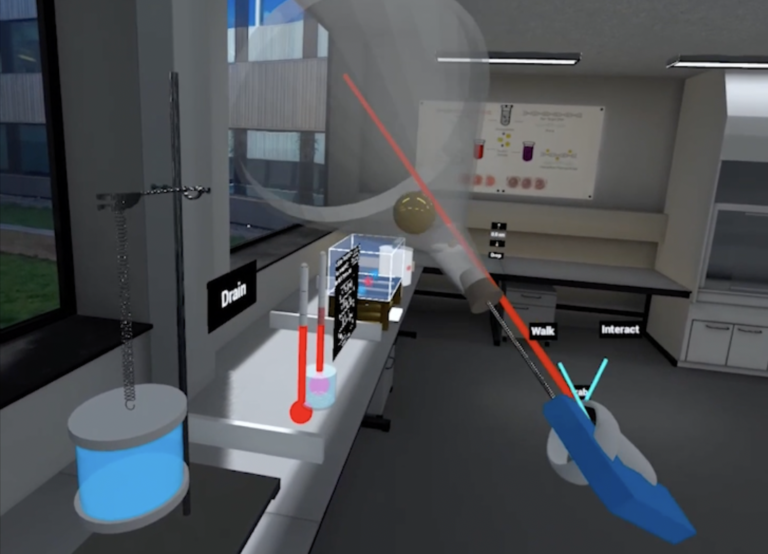
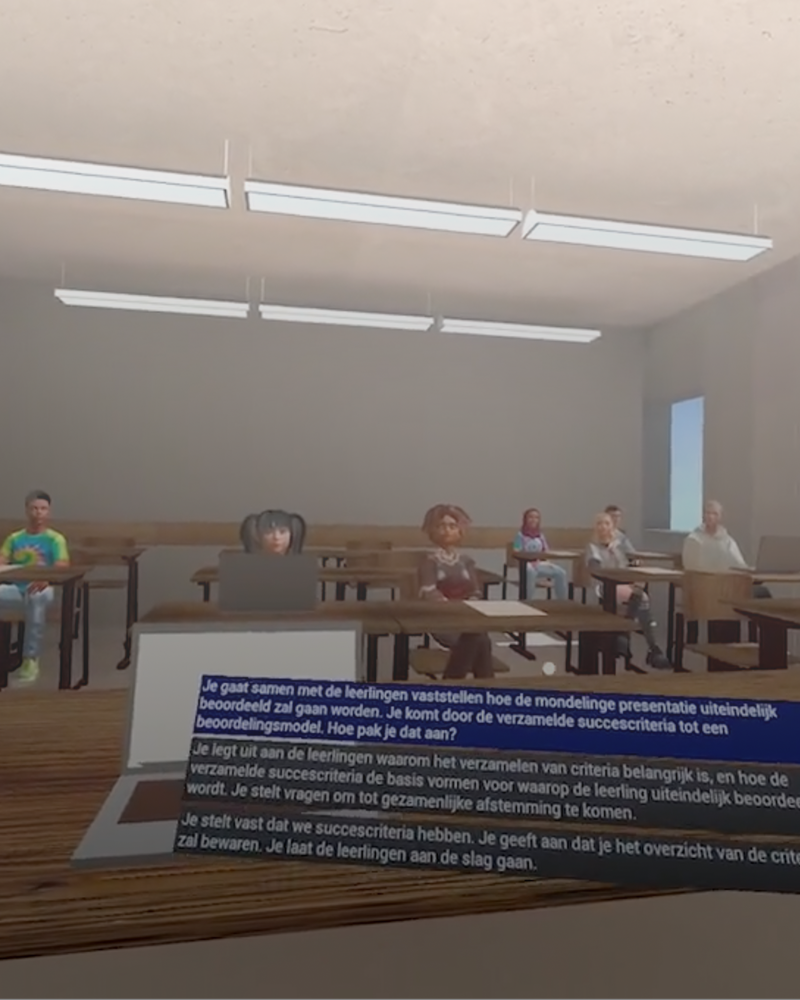
In today’s constantly evolving education landscape, there is a growing demand for innovative solutions driven by the integration of cutting-edge technologies. This demand sparked the
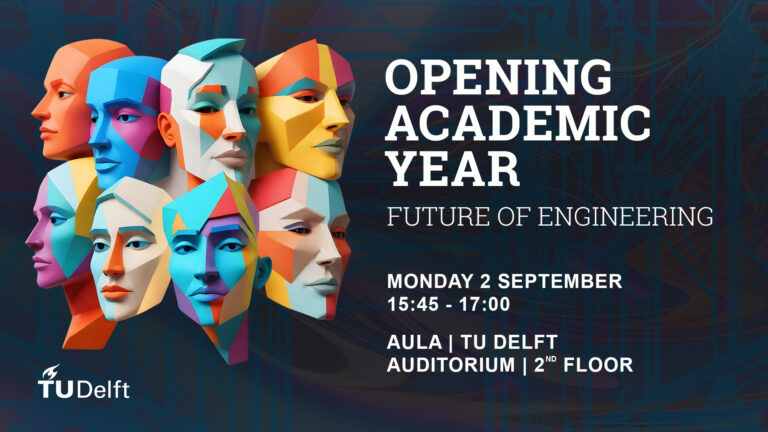
For TU Delft’s Opening of the Academic Year, a single evocative image anchored a comprehensive visual identity—from website banners and email invites to animations, printed materials, and spatial projections. Led by one dedicated designer in collaboration with Live Events, the graphics team wove a cohesive language of color, rhythm, and motion to ensure every touchpoint emotionally resonated. Sound design elevated animated segments, while coordination across teams delivered a polished, immersive experience that transformed a moment into a memorable message.
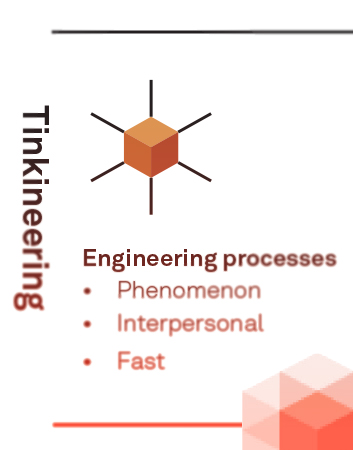
How do students discover who they want to become? At TU Delft, the Mechanical Engineering faculty paired with the New Media Centre’s Graphics team to address that question through animated storytelling. By developing eight distinct “Engineer of the Future” personas—each with its own narrative, style, and personality—students could see relatable career paths. Hand-drawn illustrations and concise two-minute videos translated complex concepts into engaging scripts, creating a compelling blended learning experience that inspires and informs.