Video Box
Video Box READ MORE The VideoBox The Video box is a soundproof mini studio (max 2 persons) in which you can record educational and promotional videos.



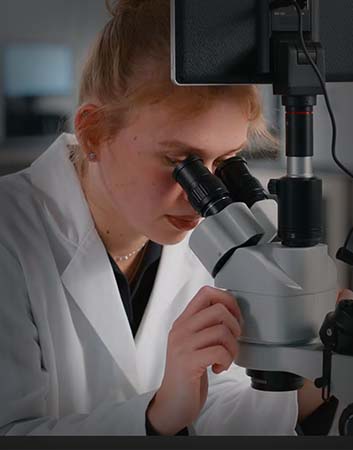
The Bachelor’s programme in Life Science and Technology is constantly evolving. For this project, we created a promotional video that gives prospective students a clear and current picture of the programme and of the paths it can lead to after graduation.
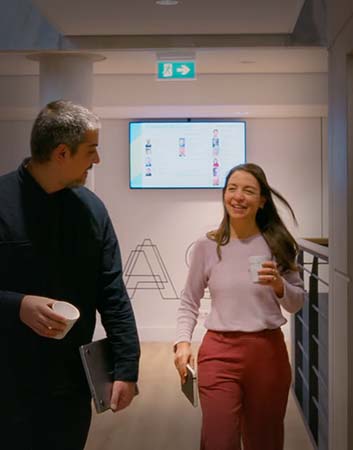
Every TU Delft staff member is periodically invited to a Resultaat- en Ontwikkelgesprek. To support that process, we were asked to create a short, dynamic video that would be included with every invitation and underline the value of the conversation.
In collaboration with NMC Live, we developed the event’s opening sequence. What began as an energetic video designed to immediately engage the audience evolved into a powerful showcase of everything TU Delft has achieved in recent years.

Do you know how to transform your research idea into a funded project? To demystify the process, the NMC Graphics team at TU Delft designed a clear, step-by-step infographic outlining every phase of grant applications—from finding funding and consulting support to drafting, submitting, and following up. Developed in collaboration with stakeholders, and available in print and web formats, this guide uses color, icons, and layout to guide researchers through institutional workflows and reduce administrative uncertainty.
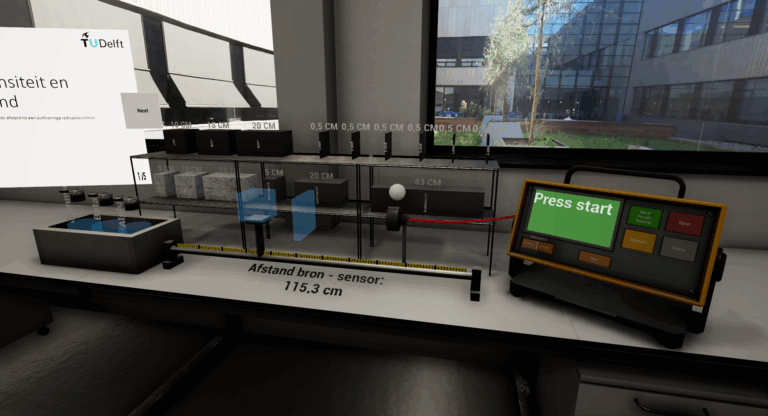
The Radioactivity project uses VR to make learning safe and immersive, letting students explore radiation through realistic experiments while teachers guide remotely. By overcoming safety limits and instructor shortages, this innovative VR app democratizes access to hands-on science, transforming how students experience and understand radioactivity across classrooms everywhere.
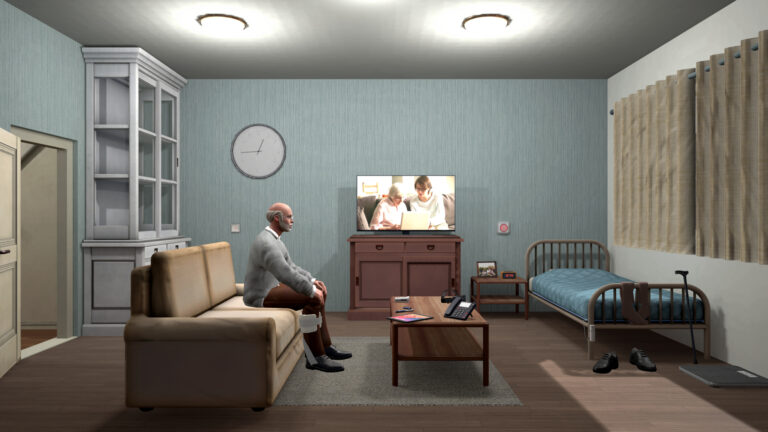
To enhance medical education, Dr. Marjon Stijntjes developed a web-based simulation that teaches students to assess the revalidation needs of elderly patients after hospital discharge. Set in a virtual home environment, students gather clues by interacting with everyday objects, simulating real-life clinical judgment. The patient’s condition evolves weekly, training students to recognize change over time. Accessible via browser, the tool has been praised for its intuitive, gamified design and practical relevance — a powerful example of how serious games can transform healthcare training.