


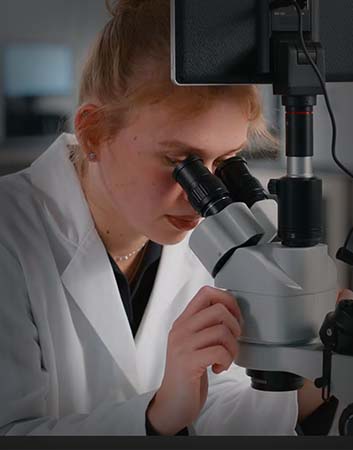
The Bachelor’s programme in Life Science and Technology is constantly evolving. For this project, we created a promotional video that gives prospective students a clear and current picture of the programme and of the paths it can lead to after graduation.
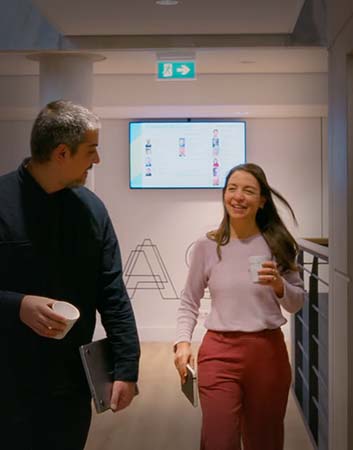
Every TU Delft staff member is periodically invited to a Resultaat- en Ontwikkelgesprek. To support that process, we were asked to create a short, dynamic video that would be included with every invitation and underline the value of the conversation.
In collaboration with NMC Live, we developed the event’s opening sequence. What began as an energetic video designed to immediately engage the audience evolved into a powerful showcase of everything TU Delft has achieved in recent years.
How do students discover who they want to become? At TU Delft, the Mechanical Engineering faculty paired with the New Media Centre’s Graphics team to address that question through animated storytelling. By developing eight distinct “Engineer of the Future” personas—each with its own narrative, style, and personality—students could see relatable career paths. Hand-drawn illustrations and concise two-minute videos translated complex concepts into engaging scripts, creating a compelling blended learning experience that inspires and informs.
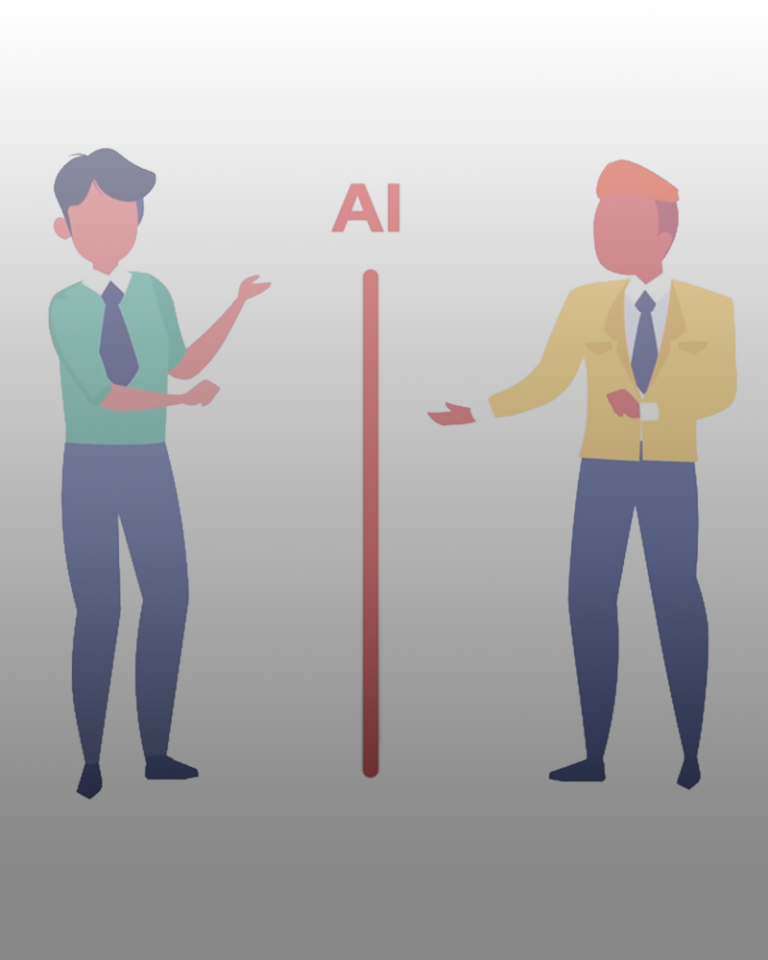
What if an algorithm decided whether you got the job—even before a human saw your name? AI-driven hiring assessments, now widespread, make implicit assumptions about skills, behavior, and communication that may not match individual realities. By reducing complex narratives to data points, these systems strip applicants of autonomy over their identity and undermine dignity. An interdisciplinary study from TU Delft, University of Twente, and TU Eindhoven inspired a four-minute animated video, making these findings accessible and prompting reflection on AI’s impact in recruitment.
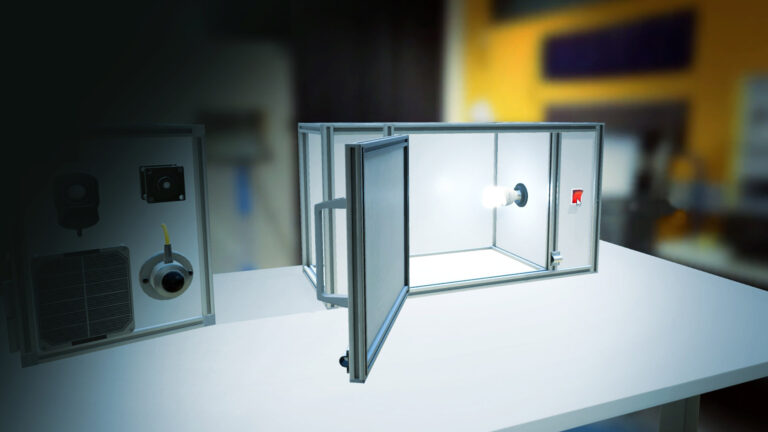
The availability of the physical University Labs may be limited due to its capacity or other factors, like the mandatory requirement to work from home