


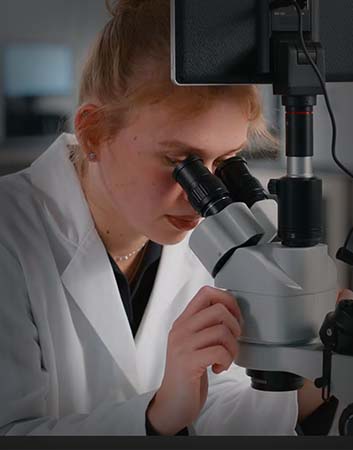
The Bachelor’s programme in Life Science and Technology is constantly evolving. For this project, we created a promotional video that gives prospective students a clear and current picture of the programme and of the paths it can lead to after graduation.
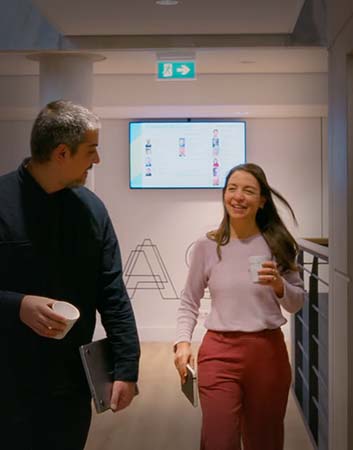
Every TU Delft staff member is periodically invited to a Resultaat- en Ontwikkelgesprek. To support that process, we were asked to create a short, dynamic video that would be included with every invitation and underline the value of the conversation.

In collaboration with NMC Live, we developed the event’s opening sequence. What began as an energetic video designed to immediately engage the audience evolved into a powerful showcase of everything TU Delft has achieved in recent years.

Collegerama is TU Delft’s essential platform for recorded lectures, offering students flexible, high-quality access to course content. With synchronized video, slides, and audio captured across 20 lecture halls and mobile setups, it supports learning at any pace and helps with exam preparation. Students can watch lectures from any faculty, expanding their learning opportunities. With new tracking cameras and AI-powered captions, Collegerama continues to evolve, making education more accessible and effective.
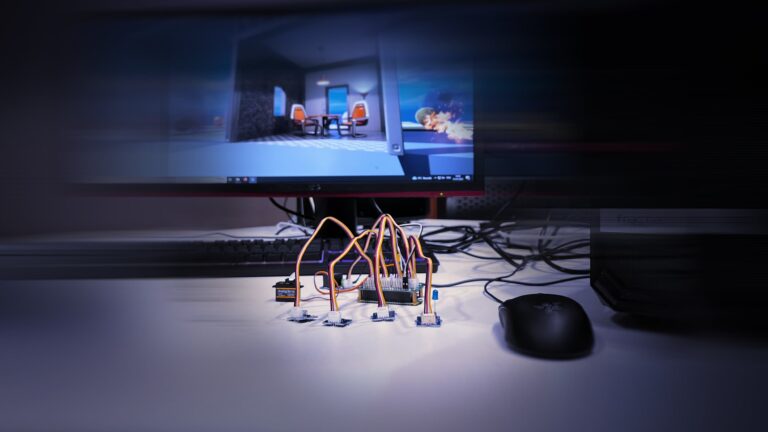
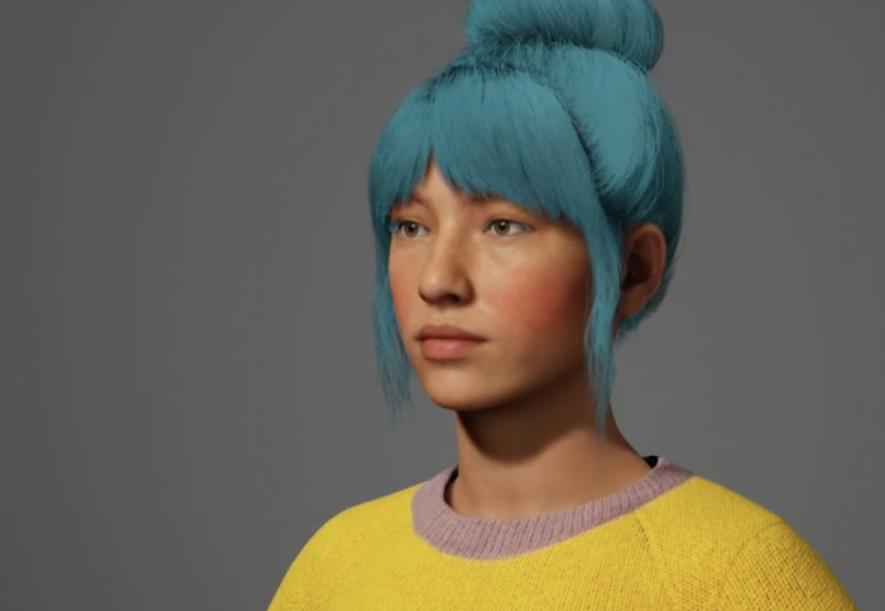
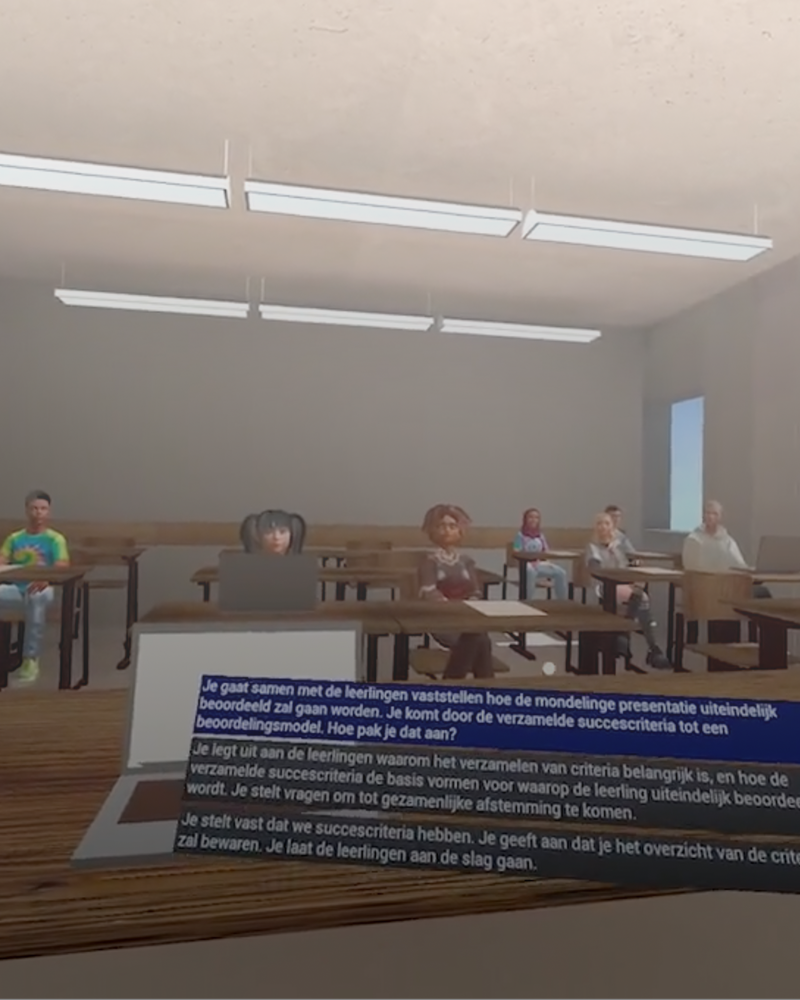
The IoT Bridge connects Grove-based IoT sensors to Unity and Unreal, enabling real-time data use in XR and game projects. With a Raspberry Pi image and engine plugins, it allows students and researchers to create immersive, sensor-driven experiences and explore innovative Serious-Game and XR applications.
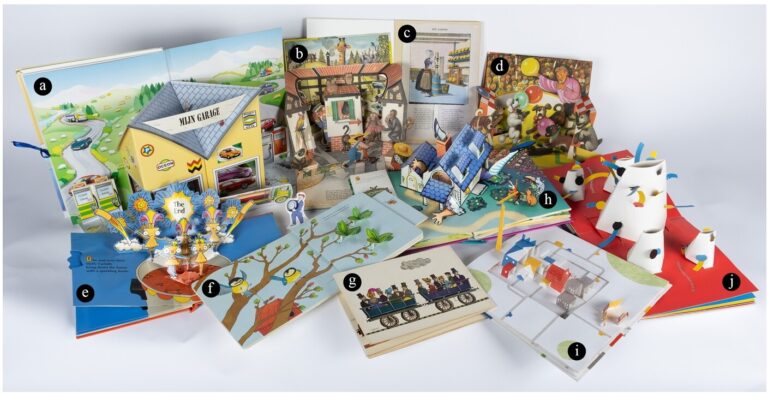
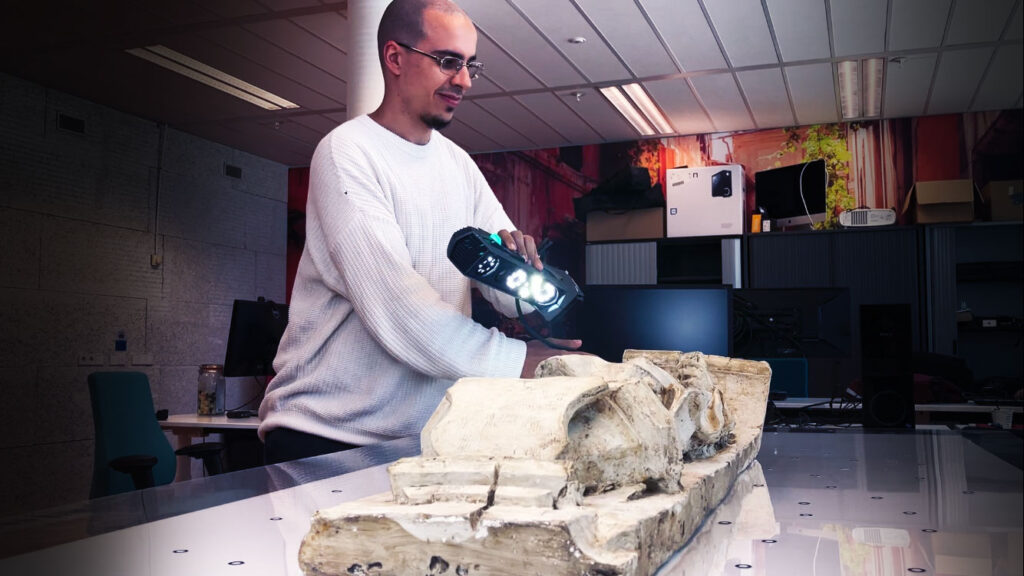
Pop-up and movable books captivate with their interactive artistry, yet their fragility limits access—especially in archival collections like the KB. Through an innovative collaboration between KB and TU Delft’s XR Zone, researcher Willemijn Elkhuizen explores how mixed reality (XR) can preserve and transform these delicate treasures. By translating the sensory and emotional qualities of pop-up books into digital and hybrid experiences, the project opens new avenues for engaging and safeguarding cultural heritage.