
NewMedia Centre Stories

XR Bachelor End Project

The brief
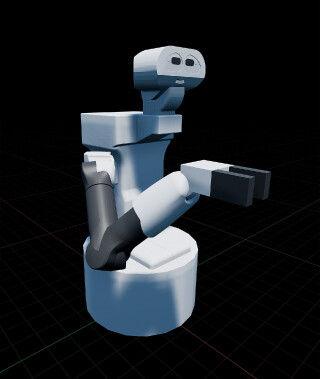
For the XR Bachelor End Project, we worked with students from Industrial Design Engineering on a video production connected to their final project.

Behind the scenes
The source material for this project is limited, but like many student-driven productions, the work sat in translating a project outcome into a visual format that could present it clearly and professionally.

Why this one stood out
Projects like this are always interesting because they connect directly to student work and experimentation. They are often smaller in scale, but they show a very hands-on side of what we do.

Client: Students Faculty Industrial Design Engineering
VR technician: Sharif Bayoumy
Camera Operator: Geraldo Solisa, Hector Nieman, Boris Swaen
Student: Bart de Vries
Read more stories:

Point and Click Game Online course 

To enhance medical education, Dr. Marjon Stijntjes developed a web-based simulation that teaches students to assess the revalidation needs of elderly patients after hospital discharge. Set in a virtual home environment, students gather clues by interacting with everyday objects, simulating real-life clinical judgment. The patient’s condition evolves weekly, training students to recognize change over time. Accessible via browser, the tool has been praised for its intuitive, gamified design and practical relevance — a powerful example of how serious games can transform healthcare training.

Read More »

Workflow for Research Grants – From Idea to Funding

Do you know how to transform your research idea into a funded project? To demystify the process, the NMC Graphics team at TU Delft designed a clear, step-by-step infographic outlining every phase of grant applications—from finding funding and consulting support to drafting, submitting, and following up. Developed in collaboration with stakeholders, and available in print and web formats, this guide uses color, icons, and layout to guide researchers through institutional workflows and reduce administrative uncertainty.

Read More »

The Lightboard: making blended learning more engaging at TU Delft

At TU Delft, blended learning combines the flexibility of online teaching with the impact of face-to-face interaction. One tool making this possible is the Lightboard—a transparent glass board that lets educators write while facing the camera. Unlike traditional slides, it shows both the lecturer’s explanations and their expressions, making learning more engaging and personal. From flipped classrooms to problem-solving videos, the Lightboard helps teachers share not just answers, but the thinking process behind them—turning lessons into stories that connect with students.

Read More »